
MOBILITY

CITA RAG A Conference 2026: Driving Progress Towards Safer & More Sustainable Mobility


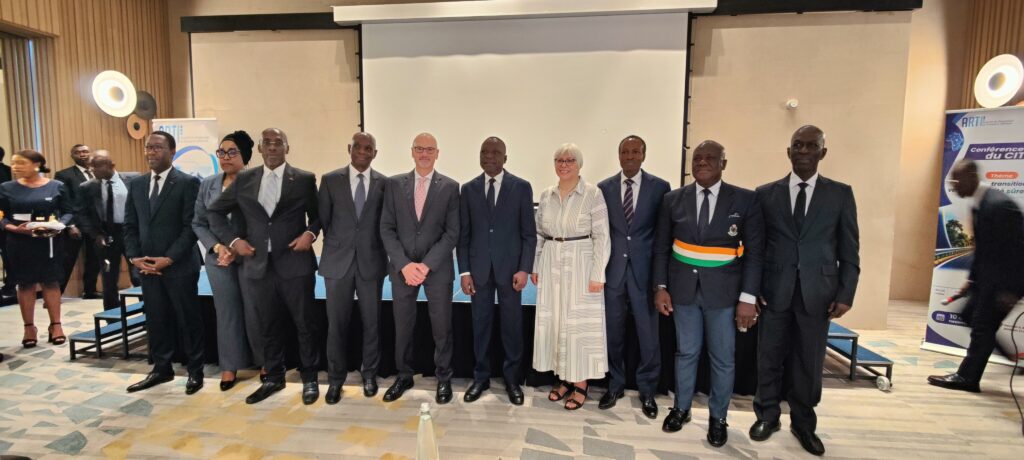
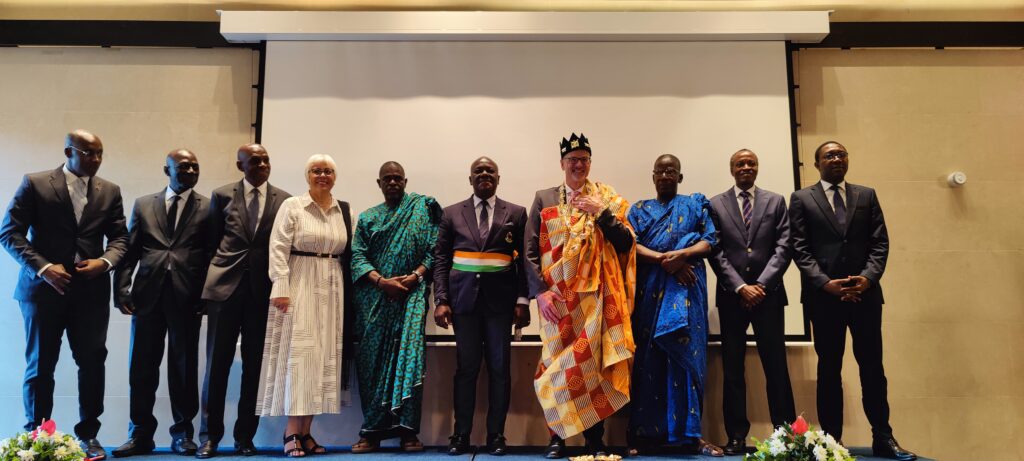
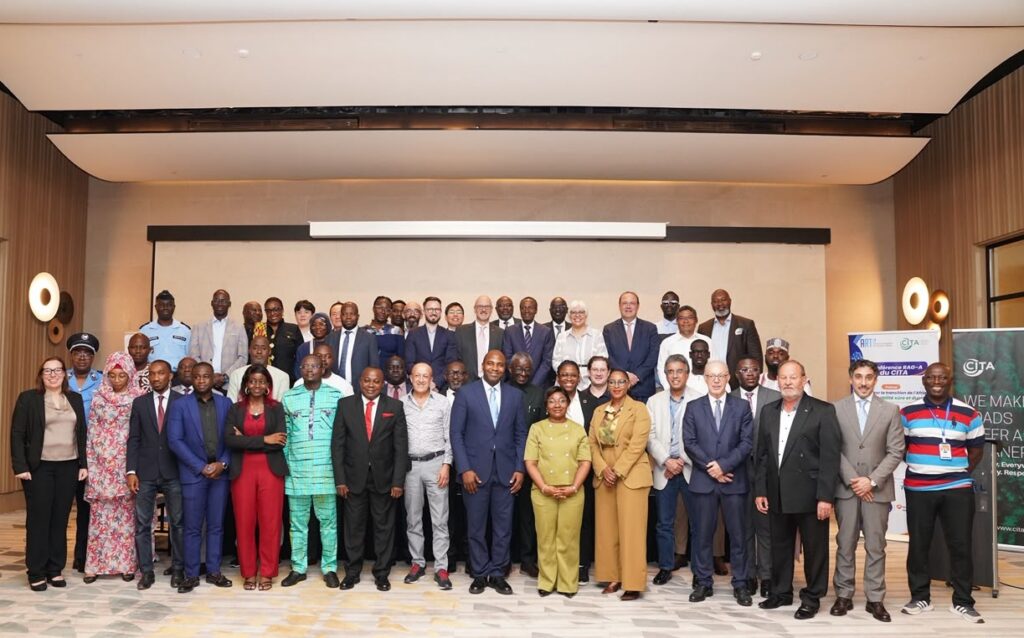
Abidjan, Côte d’Ivoire | 10–11 November 2026 | The CITA RAG Africa Conference 2026 successfully brought together government authorities, vehicle inspection organisations, technical experts, industry representatives and international stakeholders in Abidjan, Côte d’Ivoire, for two days of insightful discussions, knowledge sharing and strengthened international cooperation.
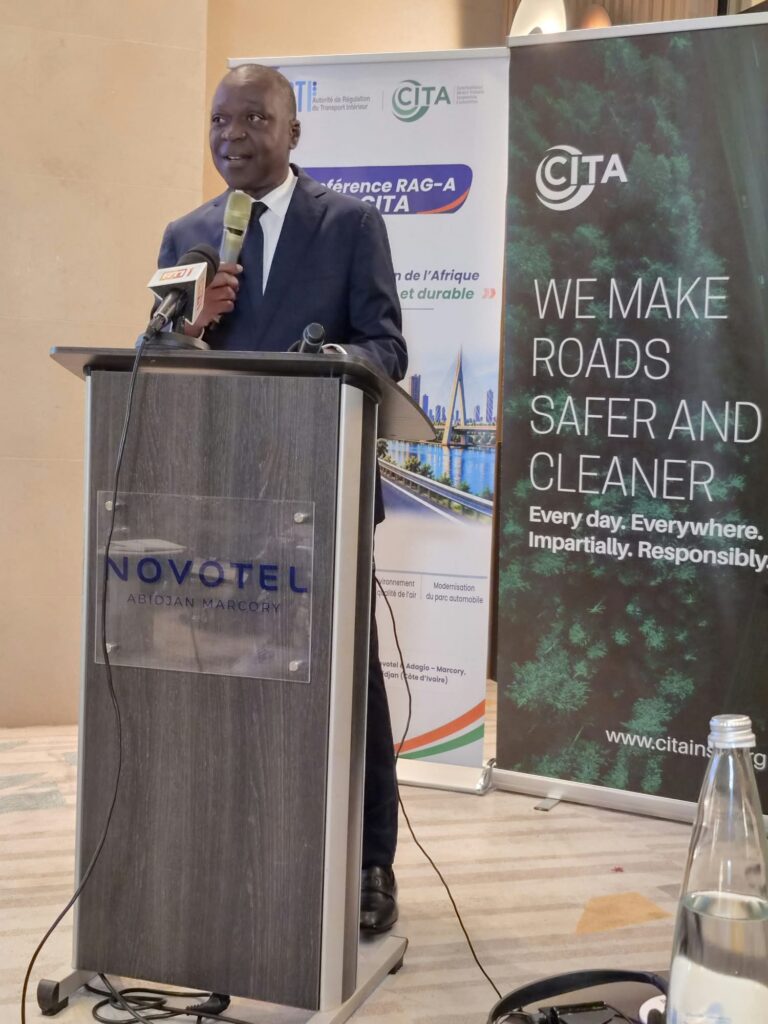
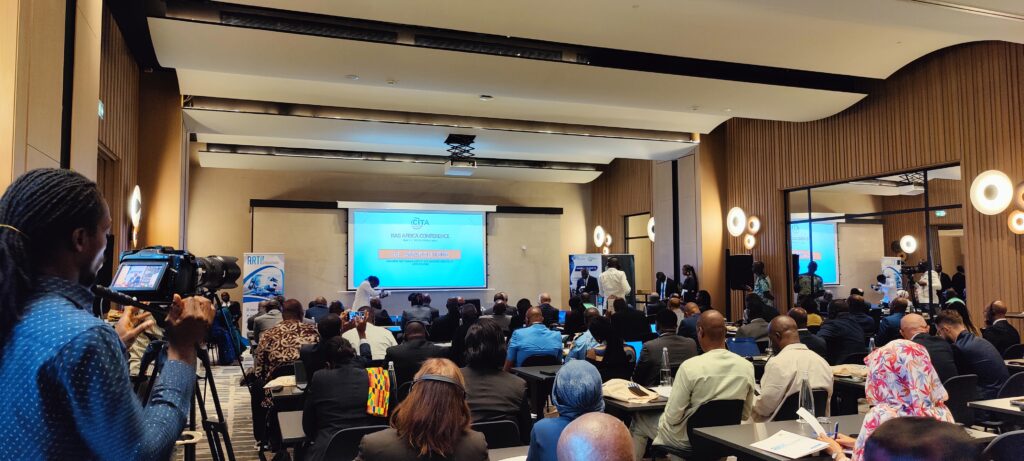
Held under the theme “Accelerating Africa’s Road to Safe and Sustainable Mobility”, the conference provided a valuable platform to exchange experiences, explore innovative approaches to vehicle compliance and reinforce the role of PTI in improving road safety and environmental protection across Africa.

The conference opened with welcome addresses from local authorities, institutional representatives and CITA leadership, including Aby Raoul, Mayor of Marcory; Gerhard Müller, CITA President; Ferose Oaten, Chair of CITA RAG Africa; Assamoua Désiré N'ZI, Director General of ARTI; and Amadou Koné, Minister of Transport and Maritime Affairs of Côte d’Ivoire.

In his opening speech, Gerhard Müller emphasised the importance of vehicle compliance and periodic technical inspection in addressing Africa's road safety challenges and supporting sustainable mobility. He reminded participants that road safety does not end when a vehicle leaves the production line. Vehicles must remain safe and environmentally compliant throughout their operational lives, making regular inspections and maintenance essential.

The first day featured discussions on the experience of Côte d’Ivoire, highlighting national perspectives on vehicle inspection and roadworthiness, with contributions from ARTI, SICTA and Mayelia Academy.

A dedicated institutional session brought together representatives of international and regional organisations, including the African Association of Road Safety Lead Agencies (AARSLA), the United Nations Economic Commission for Africa (UNECA), the Africa Transport Policy Programme (SSATP) and the United Nations Economic Commission for Europe (UNECE).

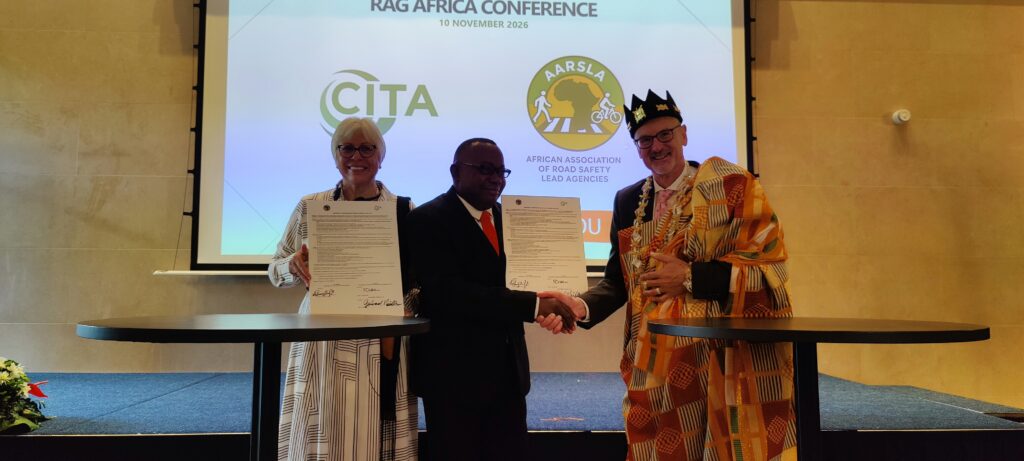
A particularly important moment was the signing of a Memorandum of Understanding between CITA and AARSLA, reinforcing the shared commitment to advancing road safety and cooperation across the African continent.
The conference also addressed the challenges and opportunities associated with imported used vehicles, a particularly relevant topic for many African countries. Experts from international organisations and the vehicle inspection community shared perspectives on vehicle safety, regulatory frameworks and approaches to ensuring that vehicles remain safe and environmentally responsible throughout their lifetime.

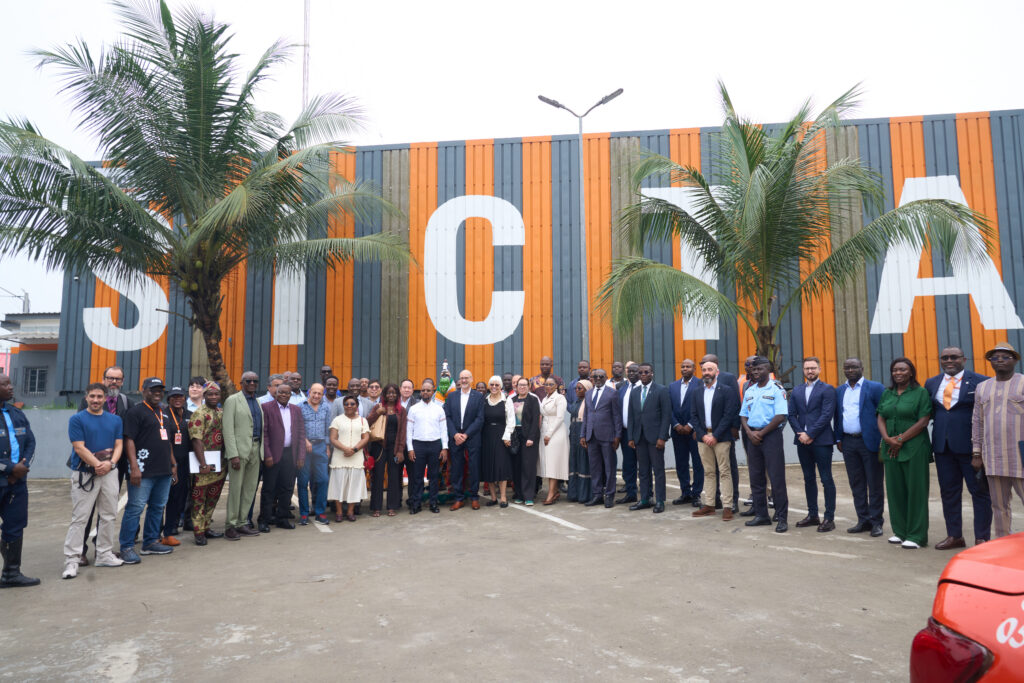
The second day provided participants with an opportunity to gain practical insights through a technical visit to the SICTA Inspection Centre in Abidjan, connecting the conference discussions with real-world vehicle inspection practices.
The programme continued with presentations showcasing experiences from different African countries, including contributions from technical experts, consultants and standardisation organisations.

International perspectives further enriched the discussions, with representatives from MAHA, DKT and UNIMETAL sharing knowledge and approaches related to vehicle inspection technologies and practices.

Throughout the conference, interactive discussions and networking opportunities encouraged the exchange of ideas, experiences and technical expertise, reinforcing the value of international collaboration in addressing shared mobility challenges.

The success of the CITA RAG Africa Conference 2026 underlined the importance of bringing together policymakers, technical specialists, inspection organisations and industry representatives to develop practical solutions for safer and more sustainable mobility.

The event highlighted the essential contribution of periodic technical inspection to road safety, environmental protection and public confidence in transport systems, while recognising the opportunities offered by innovation and emerging technologies.

CITA extends its sincere appreciation to Ferose Oaten, Chair of CITA RAG Africa, and Kanvaly Bamba, Deputy Chair, for their commitment and valuable contribution to the regional group's activities, as well as to the speakers, participants, partners and organisers who contributed to the conference.

As emphasised by CITA President Gerhard Müller, international cooperation, shared knowledge and strong partnerships are essential to building effective vehicle compliance systems and protecting lives.

The CITA RAG Africa Conference 2026 concluded with renewed momentum for collaboration, reaffirming CITA's commitment to supporting safer vehicles, cleaner transport and sustainable mobility across Africa and beyond.

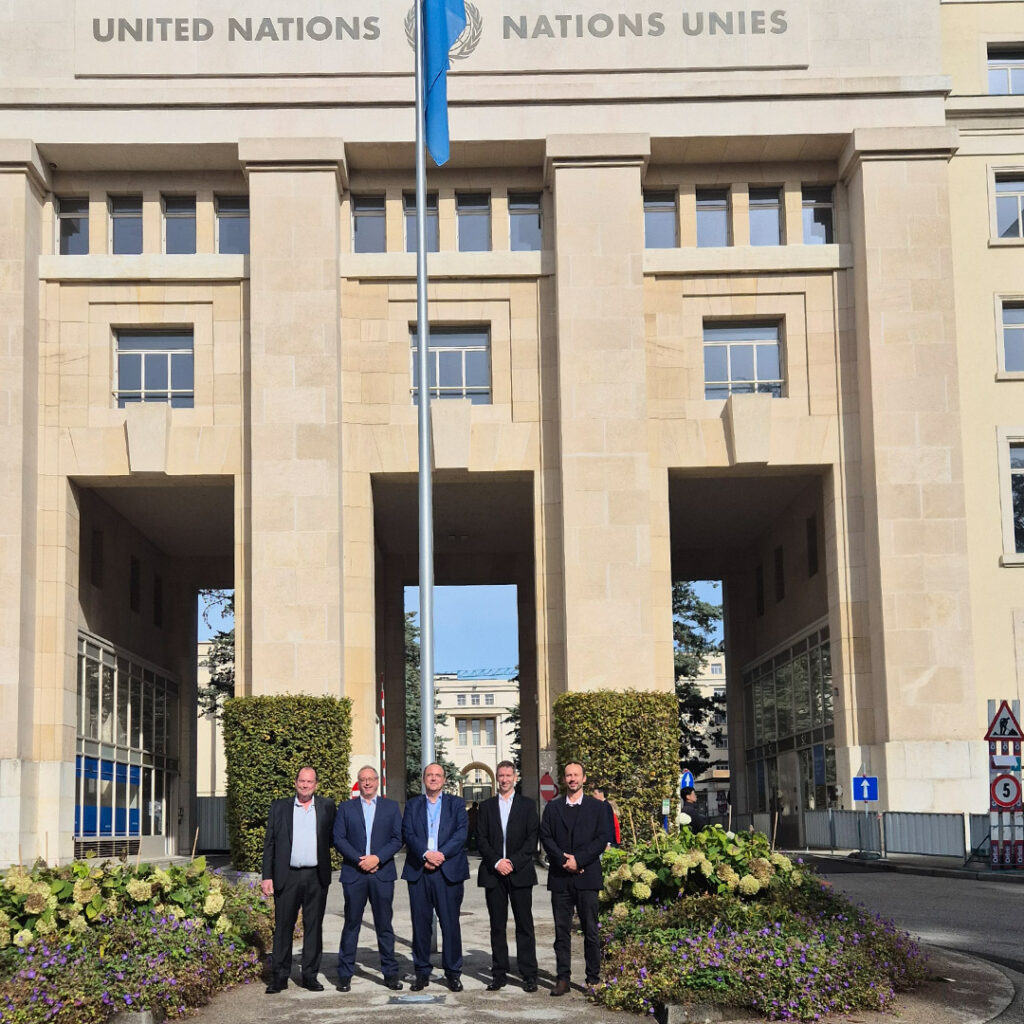
CITA Highlights Headlamp Aiming Challenges at UNECE GRE


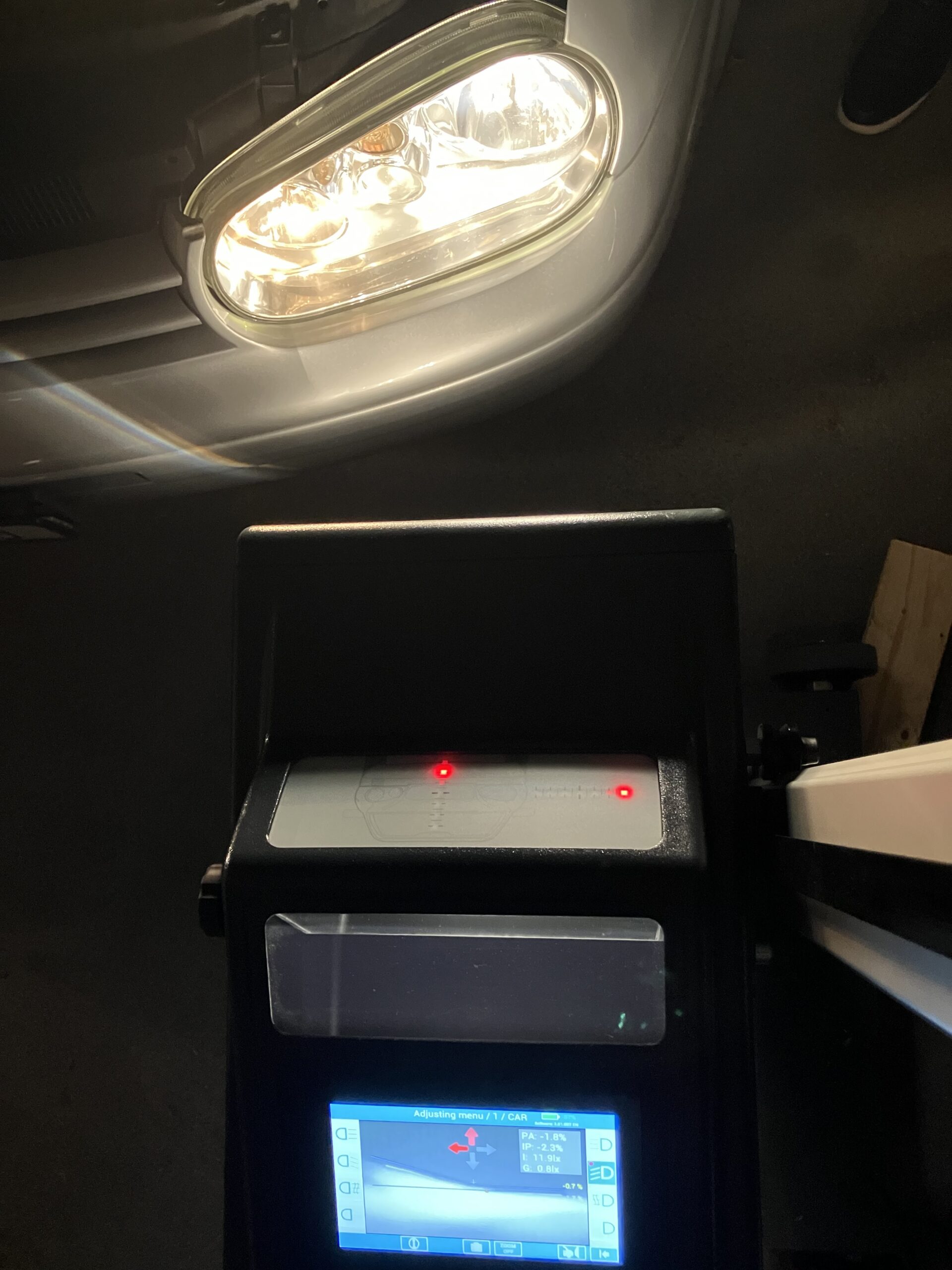
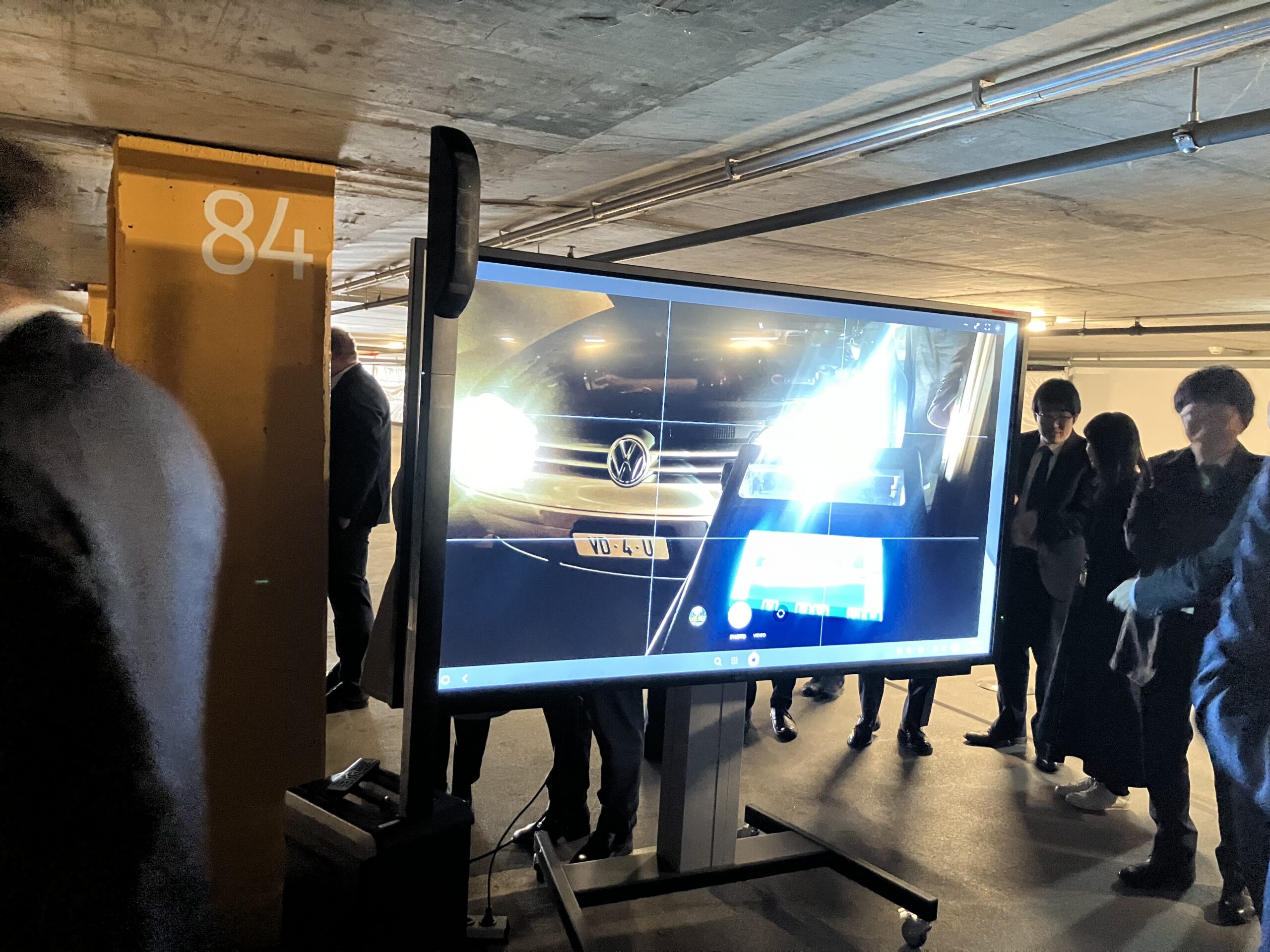
Geneva, 22 October 2026 – CITA carried out a live demonstration of headlamp aiming during the 95th session of the UNECE Working Party on Lighting and Light-Signalling (GRE), held at the Palais des Nations in Geneva, Switzerland.

The demonstration aimed to highlight the practical limitations of headlamp aiming measurements and the need to reconsider existing assessment criteria to better reflect real-world conditions.

Correct headlamp alignment is essential for road safety, ensuring adequate visibility for drivers while minimizing glare for other road users.

However, assessing headlamp alignment during PTI presents practical challenges. The demonstration provided GRE experts with an opportunity to observe these limitations in a real inspection setting, using a vehicle and headlamp testing equipment. The main objective was to demonstrate why headlamp aiming criteria should be reconsidered to account for the practical limitations encountered during inspections.

Through this initiative, CITA sought to contribute practical inspection experience to international regulatory discussions, supporting requirements that are both technically justified and realistically applicable throughout the vehicle's service life.

CITA would like to express its sincere appreciation to everyone who made this demonstration possible:

  • Dietmar Fink (MAHA) for providing the headlamp testing equipment.
  • Peter Ondrejka (TESTEK) for leading the CITA Task Force on Lights and Reflective Devices and coordinating the demonstration.
  • Hervé Wicky (Hella Gutmann) for supporting the demonstration.
  • Benjamin Borlat (Service des Automobiles et de la Navigation, Vaud, Switzerland) for facilitating local coordination.
  • Pierre-André Keller (Garage Keller) for providing the vehicle.
  • The UNECE GRE Secretariat for its valuable support.

Their contributions enabled CITA to bring practical inspection experience directly into the international regulatory discussion.

CITA remains committed to ensuring that vehicle regulations take into account real-world inspection conditions, helping to maintain vehicle safety throughout their operational life.


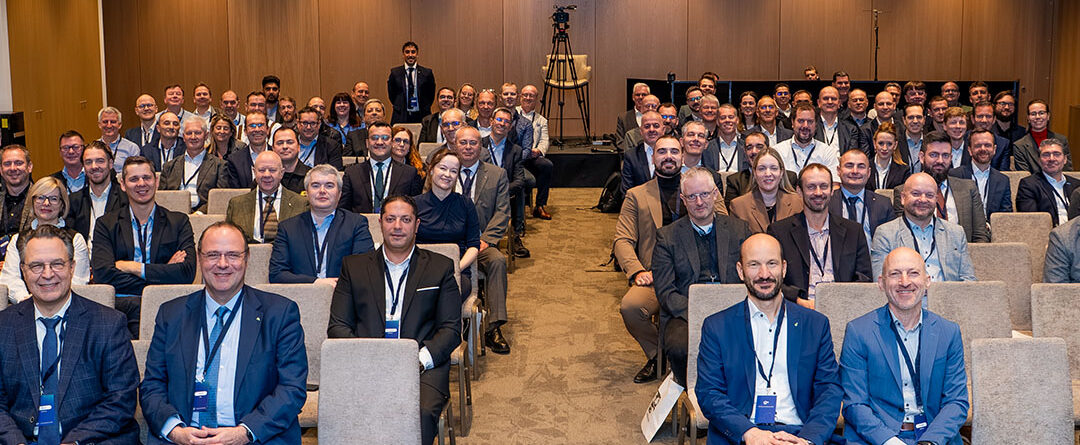
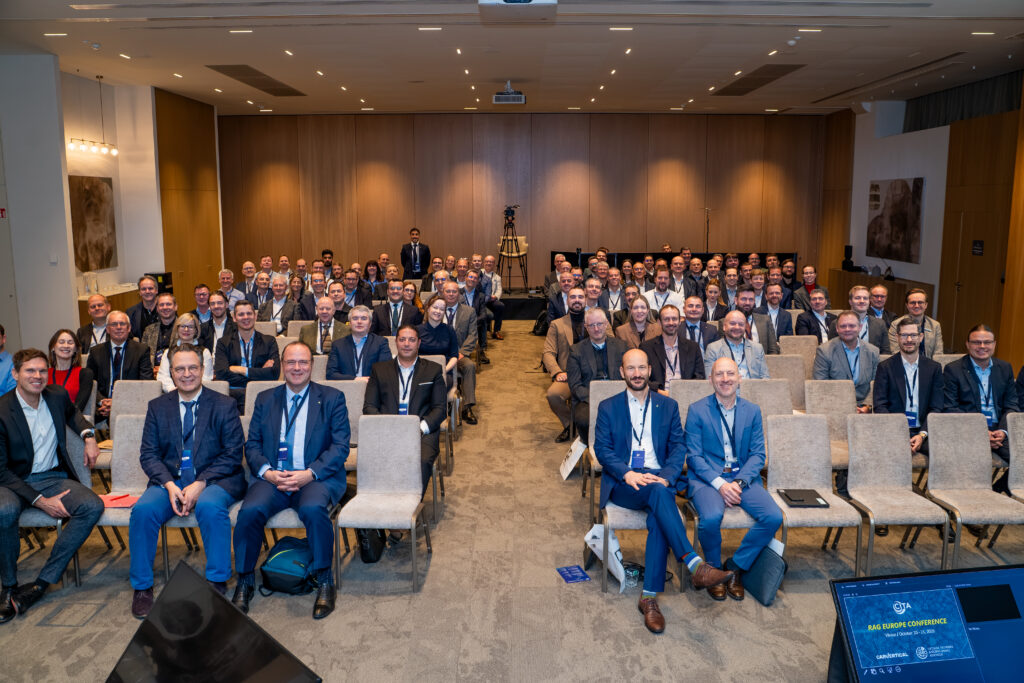
CITA RAG E Conference Brings the PTI Community in Vilnius


Vilnius, Lithuania | 20–21 October 2026

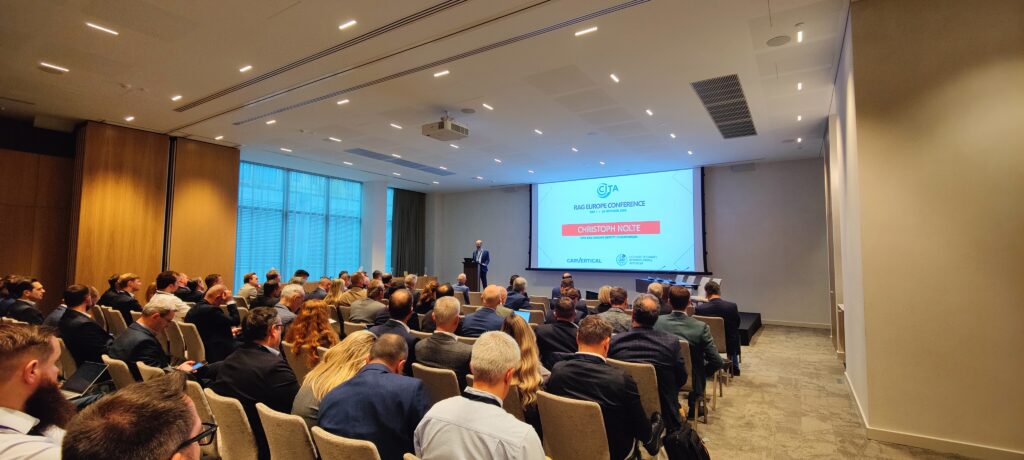
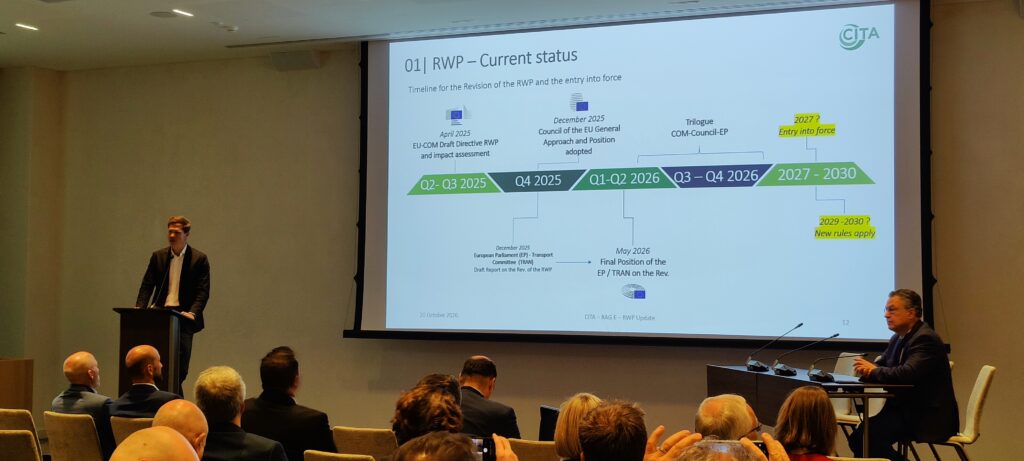
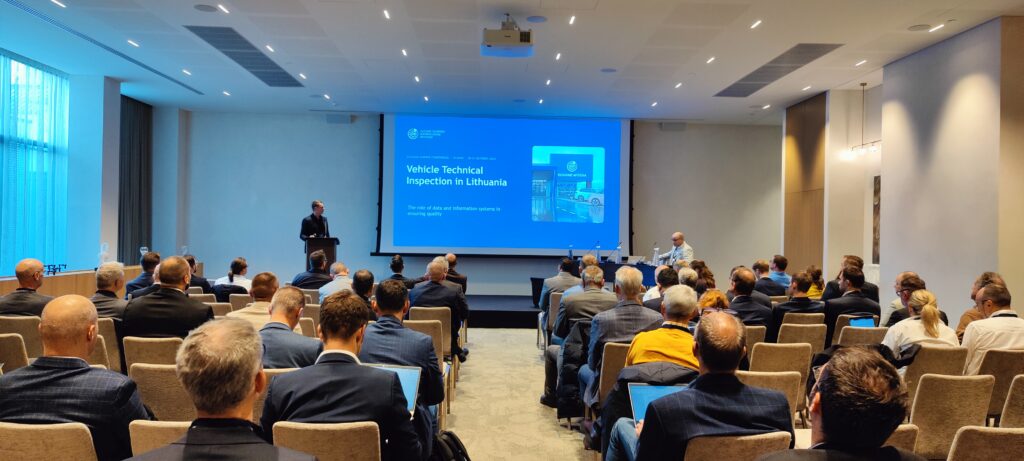
The CITA RAG Europe Conference 2026 brought CITA Members together in Vilnius, Lithuania, for two days dedicated to technical exchanges, regulatory developments and collaboration on the future of vehicle inspection.

Hosted by carVertical and the Lithuanian Association of Companies for Vehicle Technical Inspection (TRANSEKSTA), the conference provided a platform for exchanging knowledge, discussing emerging challenges and exploring the latest activities across CITA's five Topic Areas and their respective Task Forces.

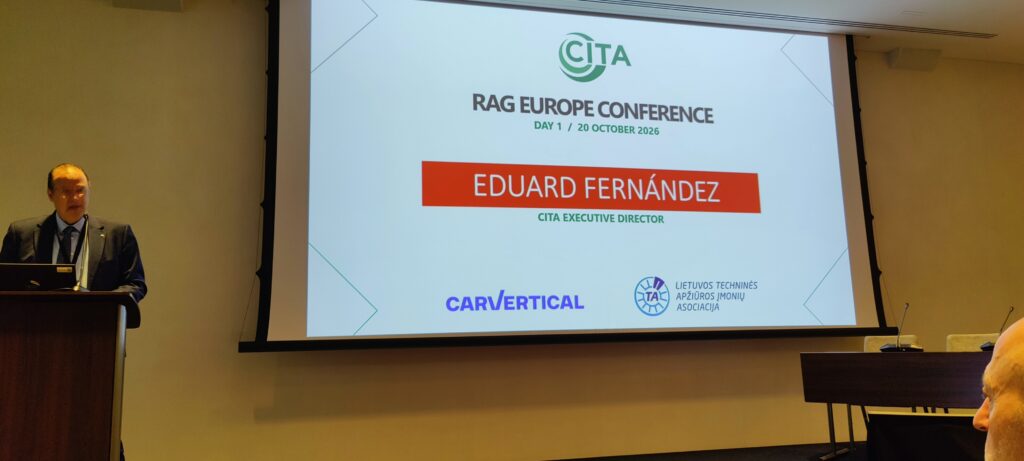
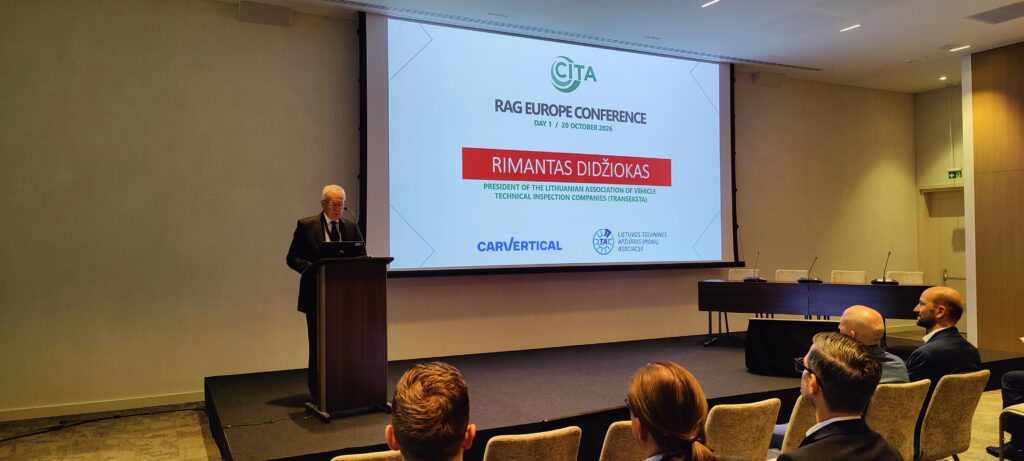
The conference opened with a welcome address by Christoph Nolte, CITA RAG Europe Deputy Chairperson, followed by a keynote from Rimantas Didžiokas, TRANSEKSTA President, and an update from Eduard Fernández, CITA Executive Director.

The first day focused on three major areas of work.

Topic Area C – External Affairs, led by Richard Goebelt and Oliver Deiters, addressed the revision of the EU Roadworthiness Package, market transparency and access to vehicle data for roadworthiness testing. Contributions from Michael Wenzel, Fred Blüthner, Sarah Kinzler and Matas Buzelis highlighted the importance of these issues for the inspection sector.

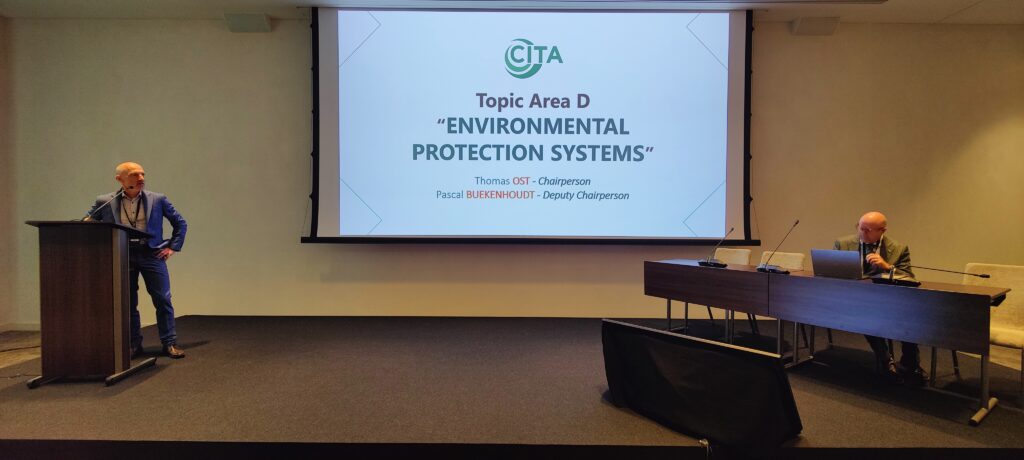
Topic Area D – Environmental Protection Systems, chaired by Thomas Ost, with Pascal Buekenhoudt as Deputy Chairperson, explored developments in vehicle emissions testing. Presentations from Mario Schriefl, Peter Schwanzer, Max Holtermüller, Patrick Thuro and Arne Kuntze covered remote sensing, NOx measurement methodologies and the added value of particle number (PN) measurement in PTI.

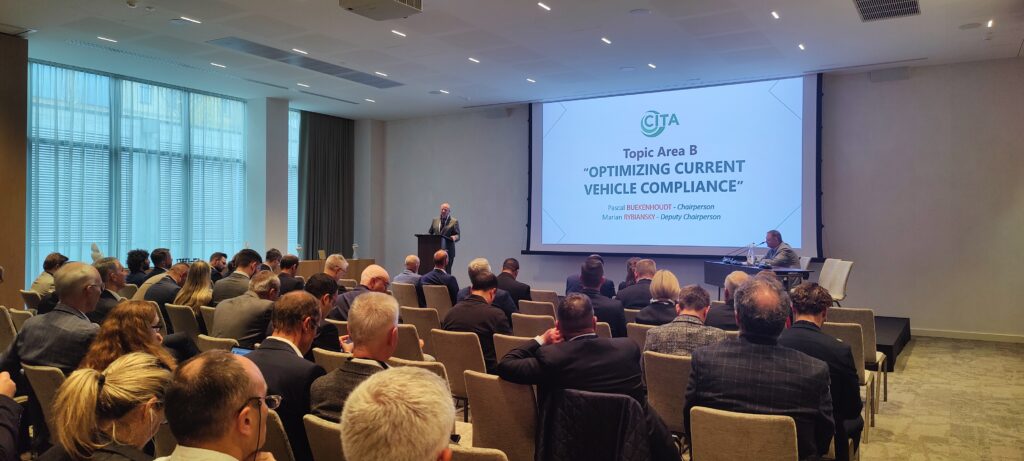
The afternoon continued with Topic Area B – Optimising Current Vehicle Compliance, led by Pascal Buekenhoudt and Marian Rybiansky. Speakers including Tom Polman, Lotte Dijkink, Luis Maria Perez-Serrano and Patrick Thuro addressed recall campaigns, shock absorber testing, cross-border vehicle inspection and motorcycle deceleration testing. The session also included updates from the Task Forces on Brakes, Lighting Devices and Reflectors, and Type Approval, with contributions from Martin Kraus, Peter Ondrejka and CITA Technical Director Alejandro Checa.

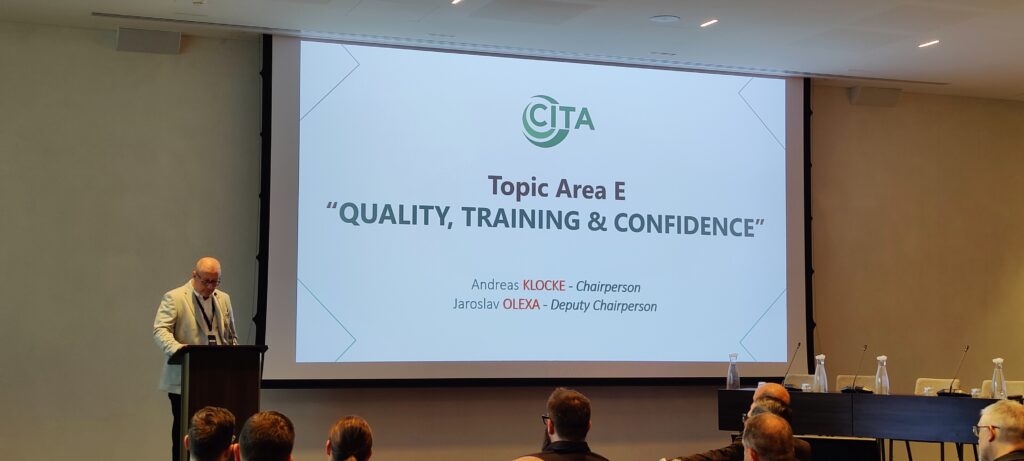
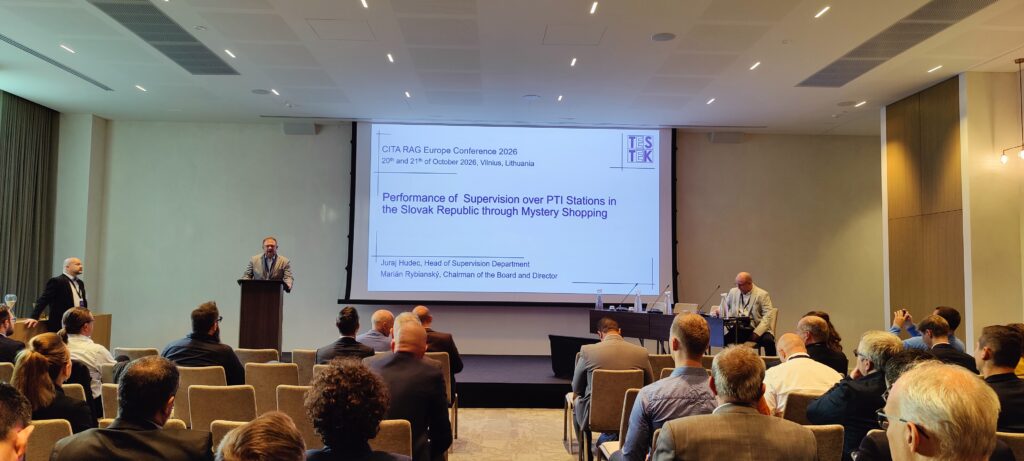
The second day opened with Topic Area E – Quality, Training & Confidence, chaired by Andreas Klocke. Rūta Tamošiūnaitė, Jaroslavas Polujanskis and Juraj Hudec contributed to discussions on vehicle defect analysis in Lithuania, supervision of PTI stations through mystery shopping in Slovakia, and the activities of the Accreditation and Quality Task Forces.

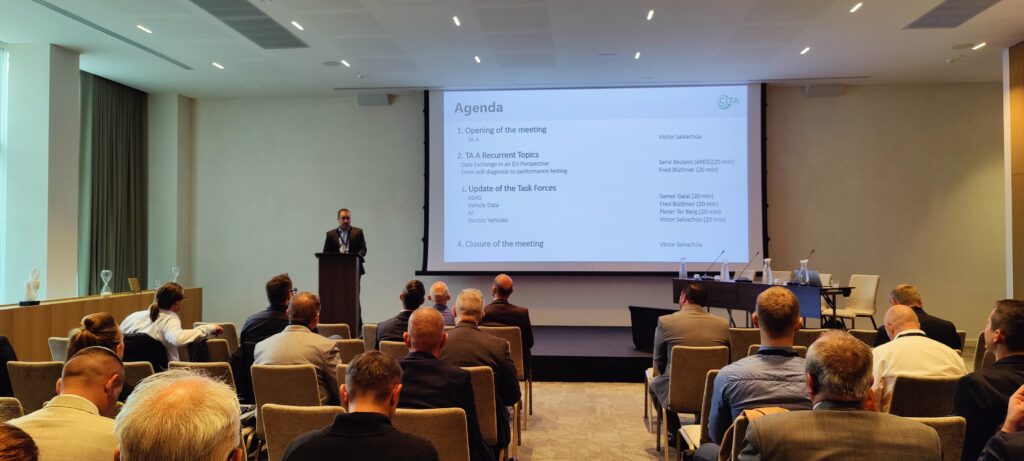
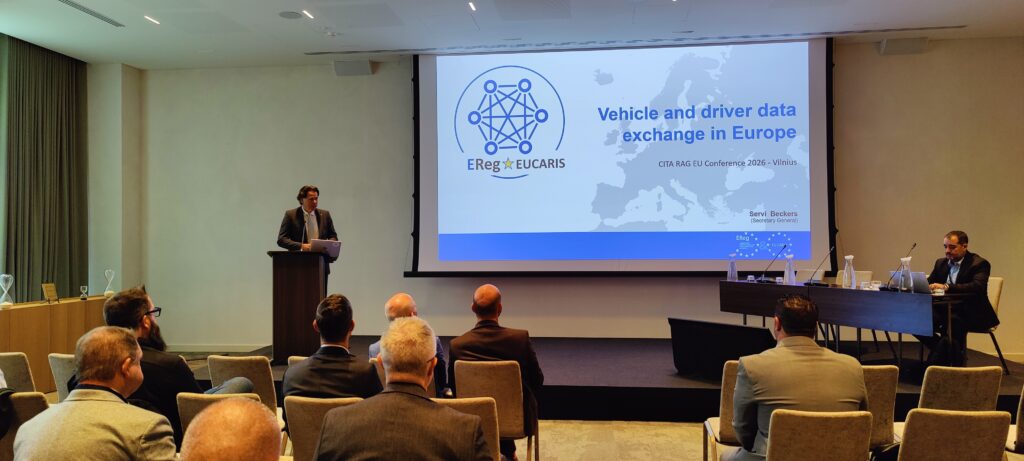
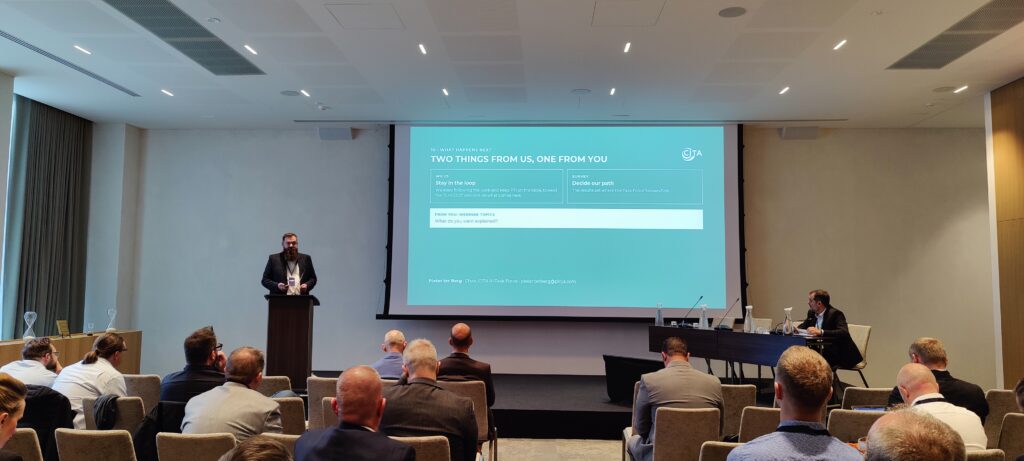
The conference then turned to Topic Area A – R&D Vehicle Compliance, led by Víctor Salvachúa. Contributions from Servi Beckers, Samer Galal, Fred Blüthner and Peter Ter Berg addressed European vehicle data exchange, ADAS inspection, artificial intelligence and developments related to electric vehicles.

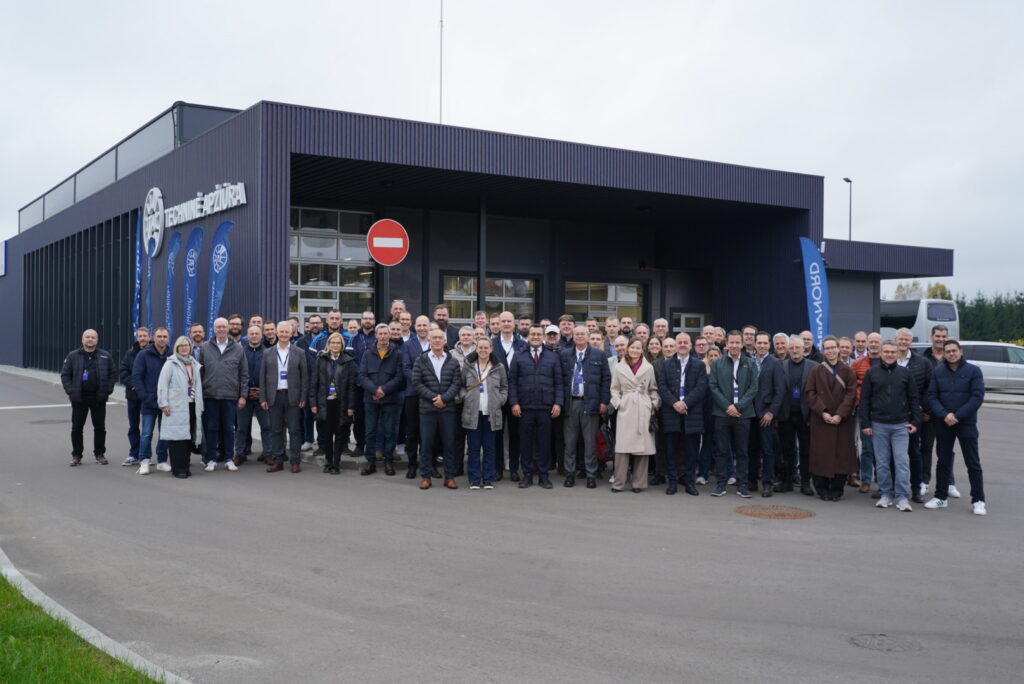
Following the closing session led by Christoph Nolte, the program concluded with a technical visit to a TRANSEKSTA inspection facility in Vilnius, providing participants with an opportunity to observe vehicle technical inspection demonstration.

The conference programme reflected the broad range of challenges facing the vehicle inspection community, from regulatory changes and environmental performance to digitalisation, emerging vehicle technologies and inspection quality.

CITA extends its sincere gratitude to carVertical and TRANSEKSTA, the two hosts of this year's RAG Europe Conference, for their valuable support and hospitality in Vilnius.

Special thanks also go to all speakers, Topic Area and Task Force representatives, and participating CITA Members for their contributions to the conference and their continued commitment to improving vehicle safety, environmental protection and the effectiveness of vehicle inspection across Europe.


Advancing Ibero-American Cooperation on Road Safety


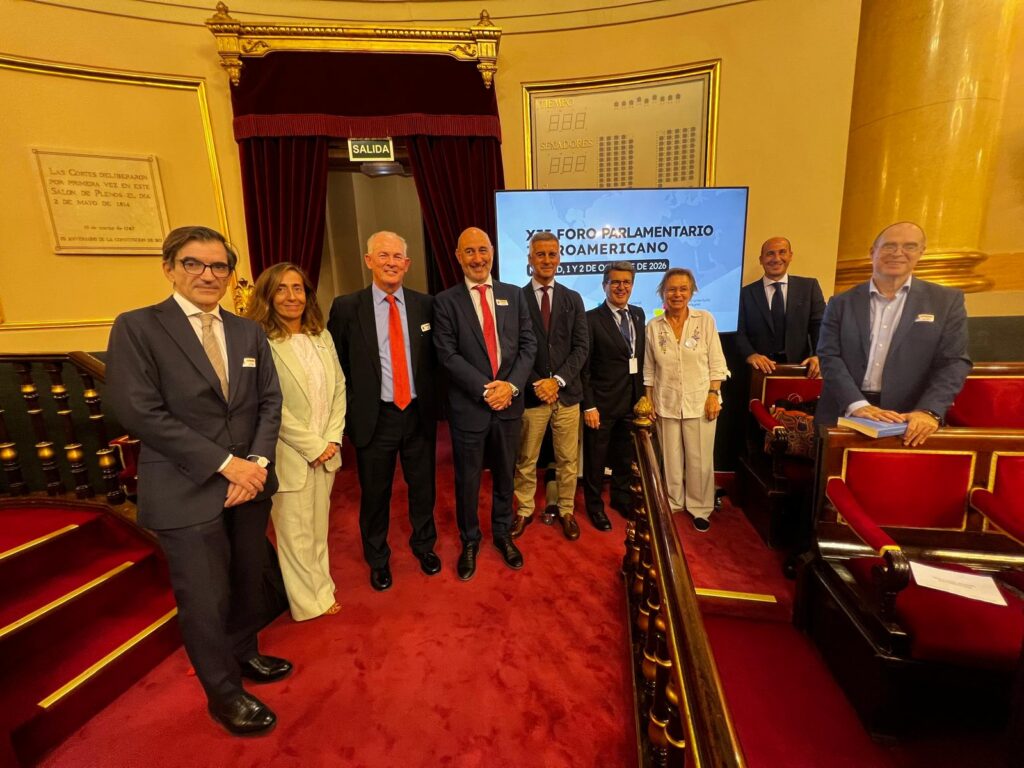
On Thursday afternoon, 1 October, Juan José Matarí, Chair of the Spanish Senate’s Ibero-American Affairs Committee, invited Guillermo Magaz, General Director of AECA-ITV, to take part in a working session held at the Spanish Senate in Madrid within the framework of the Ibero-American Parliamentary Forum.

The session was organised ahead of the Ibero-American Summit of Heads of State and Government, scheduled for November, and focused on the presentation of the report and draft resolution entitled “Towards an Ibero-American Road Safety Area”.

The initiative aims to strengthen cooperation between Ibero-American countries in the field of road safety and to promote a more coordinated approach to policies, institutional frameworks and measures designed to reduce road fatalities and serious injuries across the region.

The work builds on the Madrid Declaration, adopted last June, as well as on the document Recuperando la esperanza, to which CITA – the International Motor Vehicle Inspection Committee – contributed.

CITA’s participation in this process reflects its continued commitment to supporting evidence-based road safety policies and to highlighting the important role of vehicle roadworthiness and periodic technical inspection in achieving safer mobility.


CITA Webinar Reviews Latest RWP Developments


Last Friday (2 October 2026), CITA held a dedicated webinar on the latest developments of the EU Roadworthiness Package (RWP). Organized jointly by CITA Topic Area C “External Affairs” and the Task Force on the Roadworthiness Package, the session gave members an update on the ongoing trialogue negotiations and CITA’s priorities during this important phase.


The webinar was led by Richard Goebelt, Chairperson of CITA Topic Area C, and Michael Wenzel, Chairperson of the CITA Task Force (TF) on the Roadworthiness Package.


Participants reviewed the current state of the legislative process, with technical trilogue discussions progressing and several politically sensitive issues still open. Key topics included inspection frequencies, motorcycles, zero-emission vehicles, PN/NOx testing, recall information, mutual recognition, electronic safety systems and access to vehicle technical data.

A central part of the webinar focused on CITA’s comparative analysis of the proposals from the European Commission, Council and European Parliament, together with input from specialized CITA TF. The aim is to identify differences with existing CITA positions and develop coordinated recommendations.

CITA also reiterated the importance of clearly distinguishing the roles of PTI, type approval and market surveillance, while ensuring that future roadworthiness requirements remain effective, technically feasible and adapted to modern vehicle technologies.

The webinar concluded with a discussion on CITA’s next activities while negotiations continue and helped build momentum ahead of the CITA RAG Europe Conference in Vilnius on 20–21 October 2026, where the Roadworthiness Package will remain a key topic.


Advancing ADAS Testing for PTI


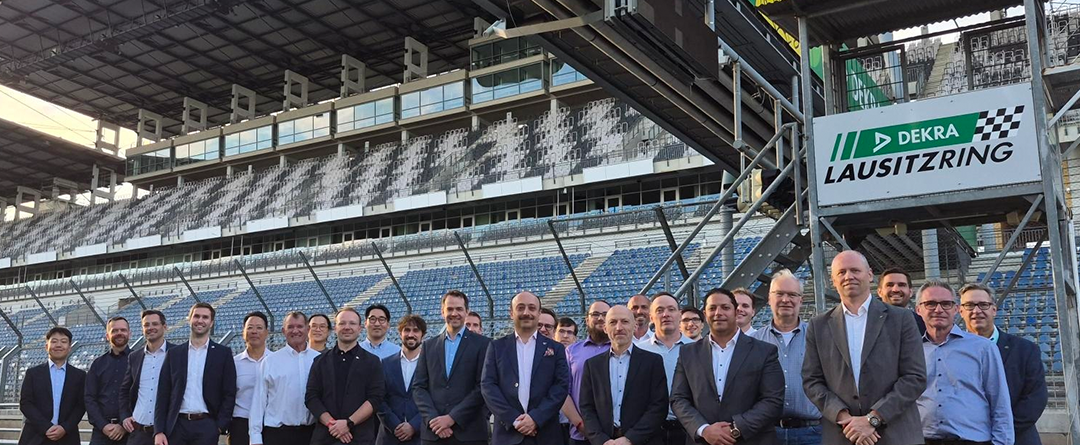
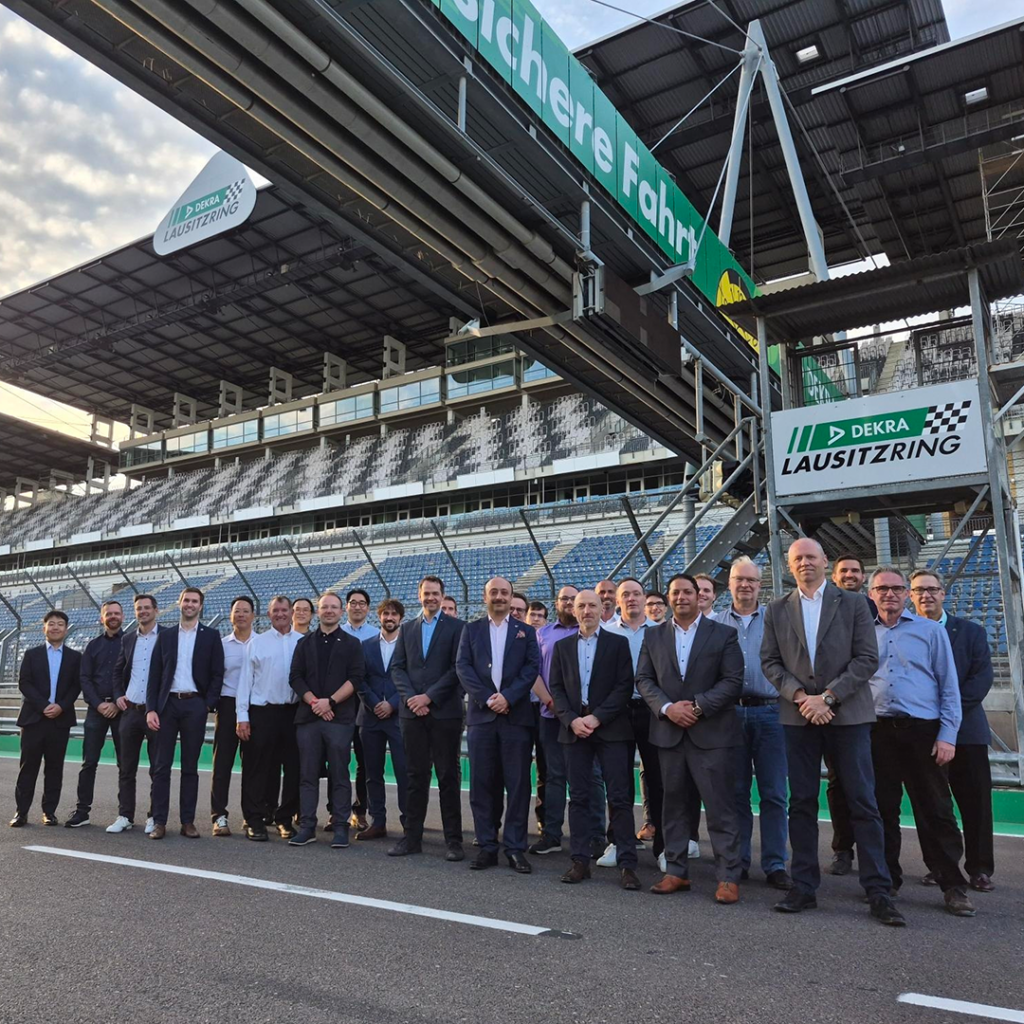
On 30 September and 1 October 2026, the CITA ADAS Task Force met at the DEKRA Technology Center in Klettwitz, Germany, to continue its work on practical approaches for assessing Advanced Driver Assistance Systems (ADAS) during PTI.

The meeting focused on developing reliable, practical and economically viable ADAS testing methods that could be integrated into existing and future PTI frameworks.

Participants discussed several testing concepts, including static radar testing to identify sensor misalignment, signal attenuation and changes in radar patterns, as well as dynamic and vehicle-in-the-loop approaches to assess the actual behaviour of ADAS functions under controlled conditions.

Particular attention was given to the limitations of vehicle self-diagnostic systems. While onboard diagnostics can identify certain faults, degradation affecting sensors or ADAS performance may not always generate a stored diagnostic fault. This highlights the need for complementary inspection methods capable of verifying the effective performance of safety-related systems.

The Task Force also discussed the importance of suitable reference data, repeatability, measurement uncertainty and meaningful pass/fail criteria. Practical aspects such as testing time, equipment costs, required space and integration into existing inspection stations were also considered.

The meeting confirmed that further validation, field data and improved access to vehicle information will be necessary before common inspection approaches can be established. Greater alignment between type approval and PTI requirements throughout the vehicle lifecycle will also be essential.

The CITA ADAS Task Force will continue working with its members and technical experts to develop practical, repeatable and proportionate inspection methods for ADAS-equipped vehicles.

CITA sincerely thanks all participants for their valuable contributions and constructive discussions, and especially DEKRA for its excellent hospitality, for hosting the meeting at the DEKRA Technology Center, and for supporting the technical demonstrations.


AARSLA webinar on safe vehicles and the Safe System approach in Africa


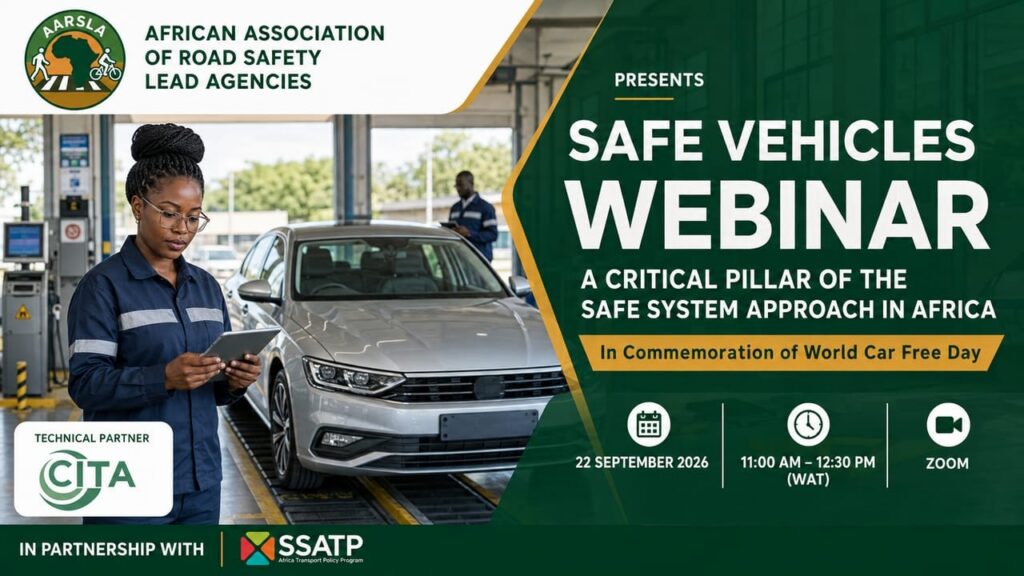
On 22 September 2026, CITA participated as technical partner in the webinar “Safe Vehicles – A Critical Pillar of the Safe System Approach in Africa”, organised by the African Association of Road Safety Lead Agencies (AARSLA) in collaboration with the Africa Transport Policy Program (SSATP).

Held in commemoration of World Car Free Day, the webinar brought together road safety organisations and technical experts to discuss how vehicle regulation, safety technologies, institutional capacity, fleet management and effective roadworthiness systems can contribute to reducing road traffic deaths and serious injuries across Africa. The programme addressed five main areas: vehicle safety standards and regulation, institutional capacity and partnerships, vehicle safety technologies, private-sector fleet management, and vehicle inspection and roadworthiness.

CITA was represented by Eduard Fernández, Executive Director, who delivered a presentation on “Institutional Capacity and Partnerships”, focusing on the role of Road Safety Lead Agencies and on how AARSLA–CITA technical cooperation can support sustained capacity development.

In his intervention, Eduard Fernández highlighted the importance of considering vehicle safety throughout the entire life of a vehicle. Vehicles undergo repairs, maintenance, modifications, changes of ownership and use, crashes and other events after entering service, making effective in-use vehicle governance an essential element of the road safety framework.

A key message of CITA's contribution was the need to combine sound technical solutions with appropriate governance. While existing technical frameworks and international experience can be used as a basis, governance arrangements need to reflect the specific circumstances of each country.

The webinar provided an opportunity to exchange experience between road safety agencies, policymakers and technical organisations and to consider practical approaches for strengthening vehicle safety governance across African markets.


CITA contributes to Road Safety Training Programme in Djibouti


CITA participated in the "Programme de formation à la gestion de la sécurité routière et à la résilience des routes" held in Djibouti from 20 to 23 September 2026, contributing its expertise on vehicle inspection systems and safer vehicles.

The programme was developed in response to a request from the Government of Djibouti to strengthen the capacities of the Djiboutian Roads Agency (ADR) and key road safety stakeholders. Funded by the Global Facility for Disaster Reduction and Recovery (GFDRR), the initiative is being implemented in partnership with the Government of Djibouti, through ADR, the World Bank Group, the Global Road Safety Facility (GRSF), the Africa Transport Policy Program (SSATP) and the African Road Safety Observatory (AfRSO).

The four-day programme addresses road safety from a comprehensive perspective, covering institutional management, climate resilience, road safety data, safer vehicles, safer roads and mobility, safer road users and post-crash response. It also has a strong practical connection with Djibouti’s Regional Economic Corridor Project and the rehabilitation of the RN1, the country’s strategic road link between the Port of Djibouti and Ethiopia.

On 21 September, CITA was represented online by Eduard Fernández, Executive Director, who contributed to the programme’s “Safer Vehicles” module. His intervention focused on the application of the CITA AVIS methodology and on the financial viability of vehicle inspection systems, as foreseen in the programme.

During his presentation, Fernández highlighted that vehicle regulatory schemes remain fundamentally a responsibility of the State: they are mandatory, involve the exercise of public authority, and require governments to remain responsible even where certain activities are outsourced.

A central message was the importance of governance in translating regulatory requirements into effective implementation. Any regulatory system needs clearly defined governance arrangements and adequate resources for supervision. At the same time, vehicle inspection systems need to be realistic and flexible, allowing for the progressive improvement of the vehicle fleet while adapting to fleet growth, available human and technical resources, infrastructure and changes in the regulatory framework.

CITA’s participation in the Djibouti programme reflects its commitment to supporting the development of effective, sustainable and well-governed vehicle inspection systems as an integral component of broader road safety strategies.


About CITA AVIS (Assessment Vehicle Inspection System)

CITA AVIS and AVIS Scoring are methodologies used to assess vehicle technical inspection systems. While AVIS provides a qualitative assessment, AVIS Scoring combines qualitative and quantitative approaches and evaluates how an inspection system works not only in theory, but also in practice.

The assessment covers seven areas: general rules and systems, impartiality and anti-corruption, supervision, exercise of authority, vehicle scope, inspection content and methods, and inspector qualifications.

By comparing the regulatory framework with its implementation on the ground, AVIS can help authorities identify areas for improvement and establish measurable objectives for the development of their vehicle inspection systems.

CITA contributes to Global NCAP–EASST event


On 16 September 2026, CITA participated in the hybrid event “Ensuring Safe and Sustainable Vehicles in EBRD Countries”, organized by Global NCAP and EASST and hosted at the EBRD headquarters in London.

The event brought together representatives from EBRD, EASST and Global NCAP, alongside road safety specialists from the FIA Foundation, CITA and the Automobile Club of Moldova, to discuss vehicle safety and sustainable transport policies. The programme was structured around two sessions addressing progress and priorities for vehicle safety, as well as the role of vehicles within sustainable transport.

CITA was represented online by Eduard Fernández, Executive Director, who delivered the presentation “Vehicle Roadworthiness and the Role of Data” during the session dedicated to Vehicles and Sustainable Transport.

In his presentation, Fernández highlighted the importance of considering vehicle safety throughout the entire vehicle lifecycle. Vehicles can undergo repairs, modifications, changes of ownership or use, maintenance, breakdowns and crashes between their initial registration and their eventual end of life or export.

In this context, periodic vehicle inspection provides an essential mechanism for verifying that vehicles continue to meet appropriate safety and environmental requirements while in use. The presentation highlighted evidence from several countries illustrating the contribution of vehicle inspection to road safety and environmental protection, including studies from Costa Rica, Türkiye, Spain, the United States and Slovakia.

A central message of CITA’s contribution was the importance of reliable data for understanding the role of vehicle condition in road crashes. As Fernández stressed, the quality of the information available from crash investigations directly influences the conclusions that can be drawn and, consequently, the policy decisions that follow.

The presentation referred to research showing significant differences between standard and in-depth collision investigations. According to a TRL study cited by CITA, a standard collision investigation carried out by a trained police officer would identify around half of the vehicle defects categorized as dangerous, while an in-depth investigation by an expert collision investigator could identify 88% of such defects, provided they were not hidden by collision damage.

Further evidence presented for Germany illustrated the same challenge: regular crash analysis identifies vehicle technical defects in less than 0,8% of crashes, whereas in-depth crash analysis found that 6,41% of passenger cars with crash-relevant technical defects were involved in serious crashes.

CITA’s participation in the event reinforced the importance of integrating vehicle roadworthiness and robust data analysis into the broader Safe System approach.

Reliable information on vehicle condition is essential not only to understand crash causation more accurately, but also to support evidence-based decisions on vehicle inspection policies and contribute to safer and more sustainable mobility.


VTEQ 25th anniversary


On Thursday, 10 September 2026, CITA had the pleasure of joining VTEQ’s 25th Anniversary celebration at the Frankfurt Marriott Hotel.

Organised on the occasion of Automechanika Frankfurt 2026, the event marked an important milestone for VTEQ, celebrating 25 years of innovation, collaboration and shared success within the vehicle inspection sector.

Taking advantage of CITA’s participation in Automechanika Frankfurt during the same week, CITA was represented at the anniversary celebration by Alejandro Checa, its Technical Director.

The evening provided an excellent opportunity to meet with VTEQ representatives and other professionals from the sector in a relaxed setting, strengthening relationships and exchanging perspectives with members of the international vehicle inspection community.

CITA warmly congratulates VTEQ on its 25th anniversary and wishes the company continued success for the years ahead.