Autotest Group EOODis a leader in Bulgaria's automotive inspection industry, dedicated to high standards of vehicle safety and compliance. Annually, they conduct nearly 200,000 technical inspections and are recognized for their meticulous checks on vehicle components and documentation to ensure legal compliance. They operate 18 centers nationwide, featuring online booking and extended hours for customer convenience.
Their commitment to using advanced technology enhances the effectiveness of their inspections. Autotest Group aims to promote road safety and participates in global networks like CITA to stay at the forefront of the industry.
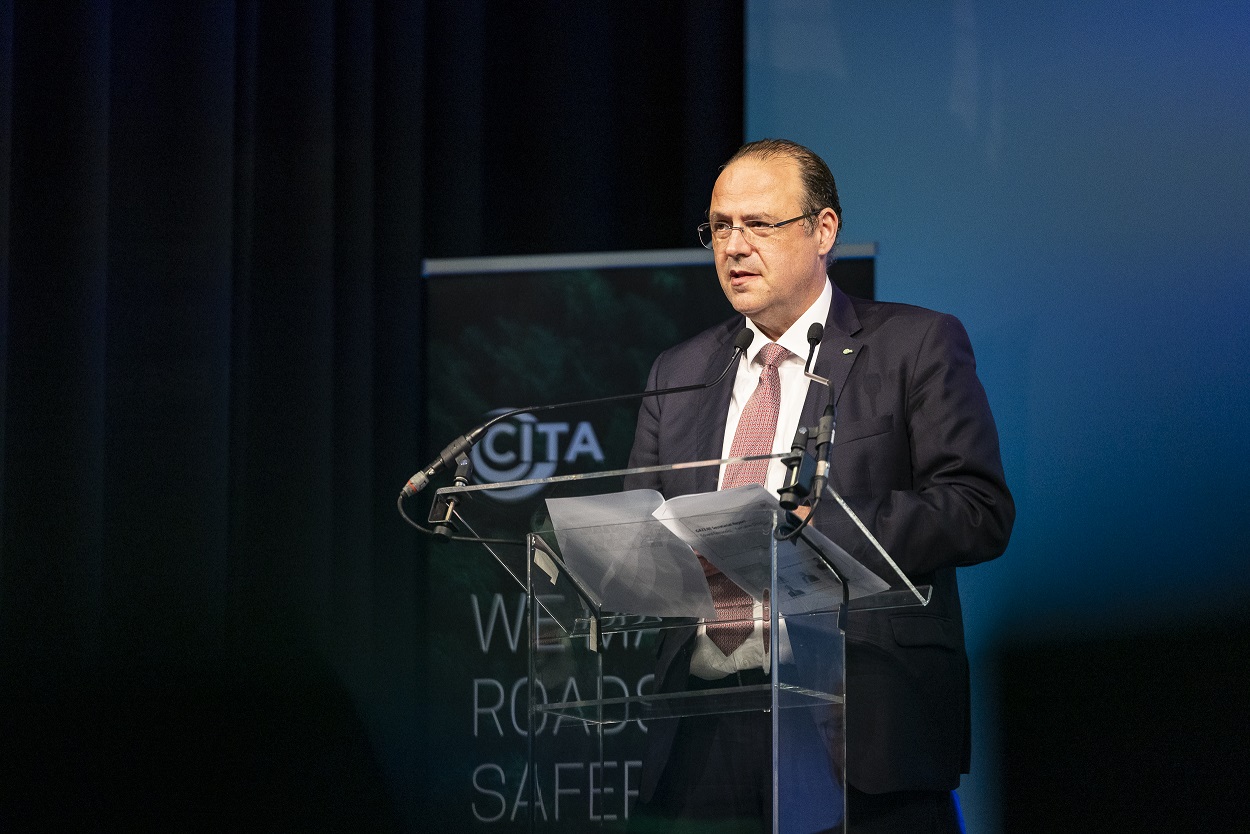
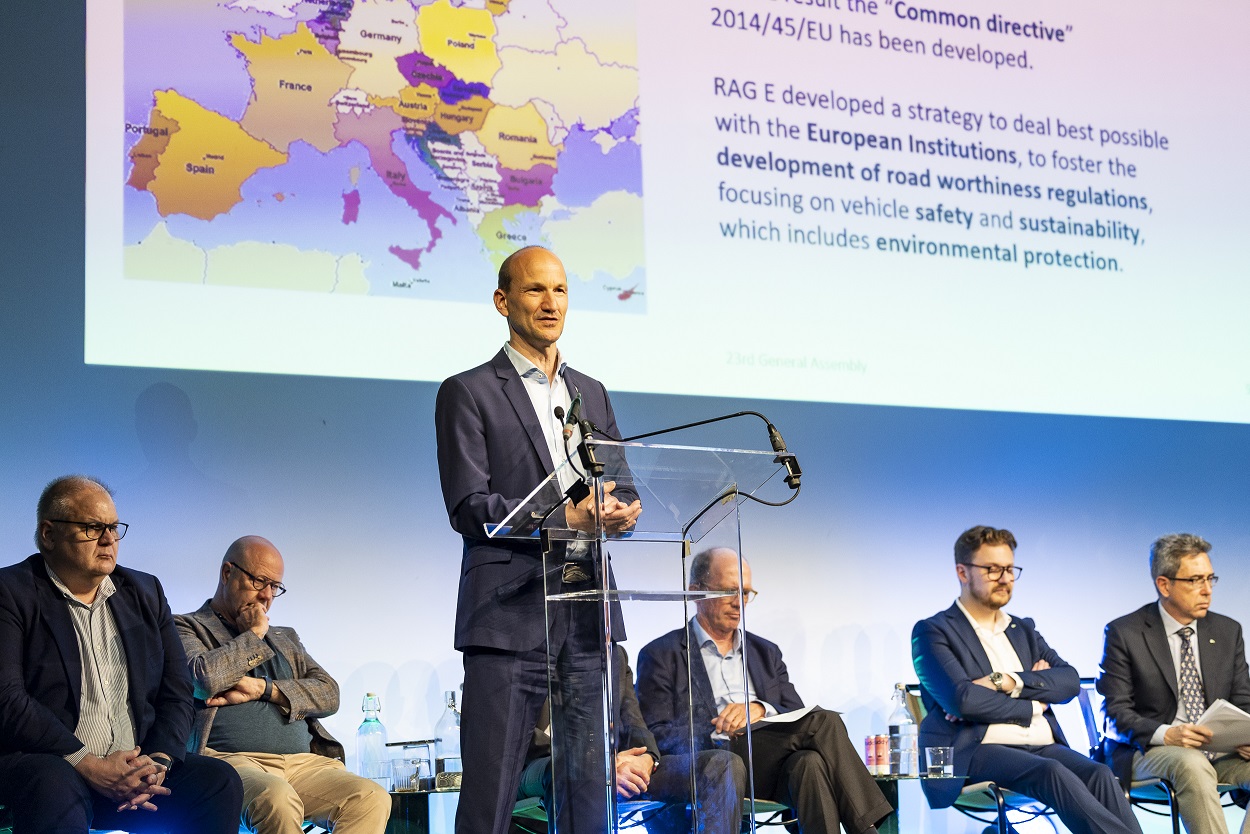
Designed as a hybrid event, the 23rd CITA General Assembly, was held on May 16, 2024, at the SPARKS Event Center in Brussels, Belgium.
The assembly was opened by CITA President Mr. Müller, who warmly welcomed the members. The presence of voting members was confirmed, setting the stage for a day of robust discussions and strategic decisions. The provisional agenda was adopted smoothly, followed by the approval of the 22nd GA report, which highlighted last year’s achievements and set the groundwork for this year's agenda.
One of the key points of the assembly was the discussion of the 2023 accounts, which provided a transparent overview of CITA's financial health and paved the way for future initiatives. New members were welcomed into the fold through the voting process, signifying CITA's growing influence and reach.
The assembly featured detailed reports from the various Regional Advisory Groups (RAGs), including Africa, Asia/Austral Asia, Latin America, North America, and Europe. These reports emphasized localized challenges and successes, providing a comprehensive global perspective on vehicle compliance issues. Then discussions were segmented into the different CITA Topic Areas (TAs), focusing on the core issues and future directions of vehicle compliance.
The budget for 2024-2025 was approved, alongside modifications to the Articles of Incorporation, which were critically reviewed and voted upon.
Elections were held for key positions within the Bureau Permanent and among Corporate Members' Representatives, ensuring that CITA's leadership remains dynamic and representative of its diverse membership base.
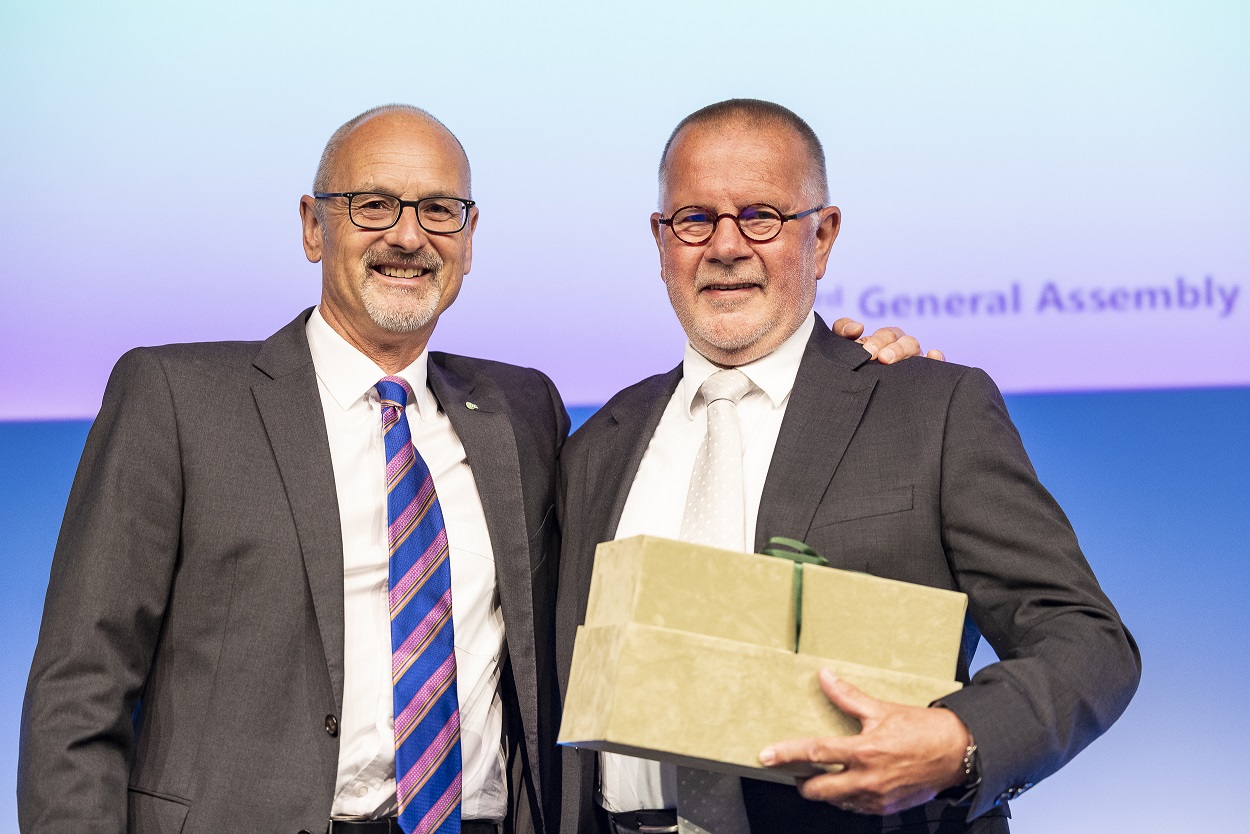
At the assembly's conclusion, members celebrated Henk Bussink's distinguished career and his retirement after years of dedicated service to CITA and its Bureau Permanent. President Müller presented him with a token of appreciation for his invaluable contributions. Mr. Müller's closing remarks highlighted the assembly's productivity and expressed optimism for the future.
The day concluded with a dinner gathering, providing a perfect opportunity for members to network, discuss the day’s outcomes, and forge new collaborations.
The partnership between CITA and VERT® (Verification of Emissions Reduction Technologies) is a strategic alignment of missions that amplifies the efforts to combat environmental and health impacts caused by vehicle emissions.
VERT®, in fact, dedicates itself to promoting the best available technology for emission control, particularly technologies that mitigate ultrafine particle emissions. These particles are known for their significant health hazards and environmental impact, contributing to global warming and respiratory issues.
It sets itself apart by advocating for advanced emission measurement technologies—shifting from traditional particle mass count to particle number measurement. This approach acknowledges the disproportionate impact of ultrafine particles, despite their minimal mass, on health. VERT®'s rigorous standards and certification processes, including the VERT® Label and the VERT® filter list, ensure that only the highest quality emission control technologies are recognized and promoted.
This partnership not only supports traffic pollution reduction programs worldwide but also promotes clean urban mobility solutions.
China Certification & Inspection Group (CCIC), established in 1980, is a state-owned enterprise managed by China's State-owned Assets Supervision and Administration Commission. As the only independent third-party organization among central enterprises, CCIC specializes in inspection, testing, certification, standards, and metrology. It plays a critical role in enhancing service quality and technological breakthroughs across various industries. With over 40 years of growth, CCIC has expanded to nearly 20,000 employees, over 400 branches, and 500 laboratories globally. It provides comprehensive quality services to over 100,000 customers worldwide in sectors like agriculture, industry, and services, maintaining a leading position in formulating international and national standards. CCIC is also active in international standardization organizations, promoting Chinese standards globally.
SNAP NTis an Italian manufacturer of PTI equipment for vehicle inspection lines, with particular attention to innovation, performance and reliability. SNAP NT has two seats in Italy, each with its own production site in Giarre (CT) and Campi di Bisenzio (FI), and internally manages all the design, development and production phases, both of the inspection equipment and the management software and operational. Thanks to the specific skills in the mechatronics and IT fields, gained with our extensive experience on PTI equipment, SNAPNT aims to contribute to CITA's activities and to the development of best practices.
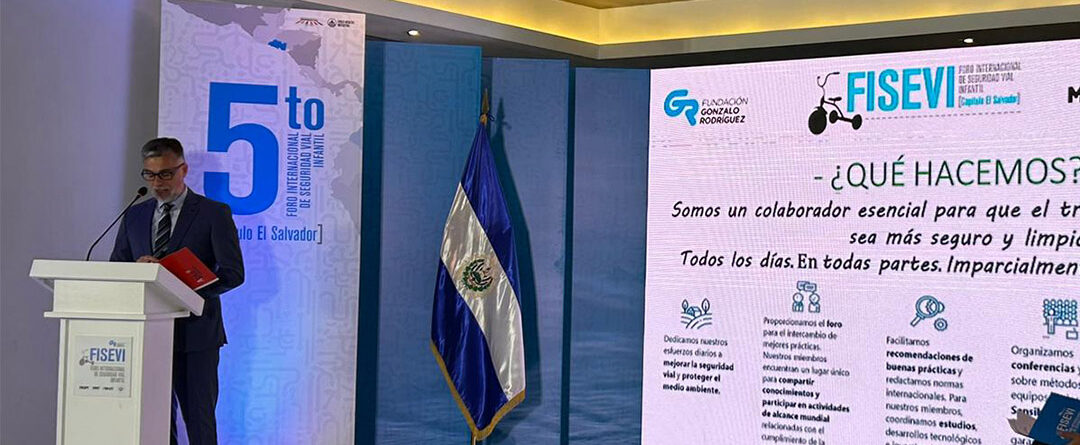
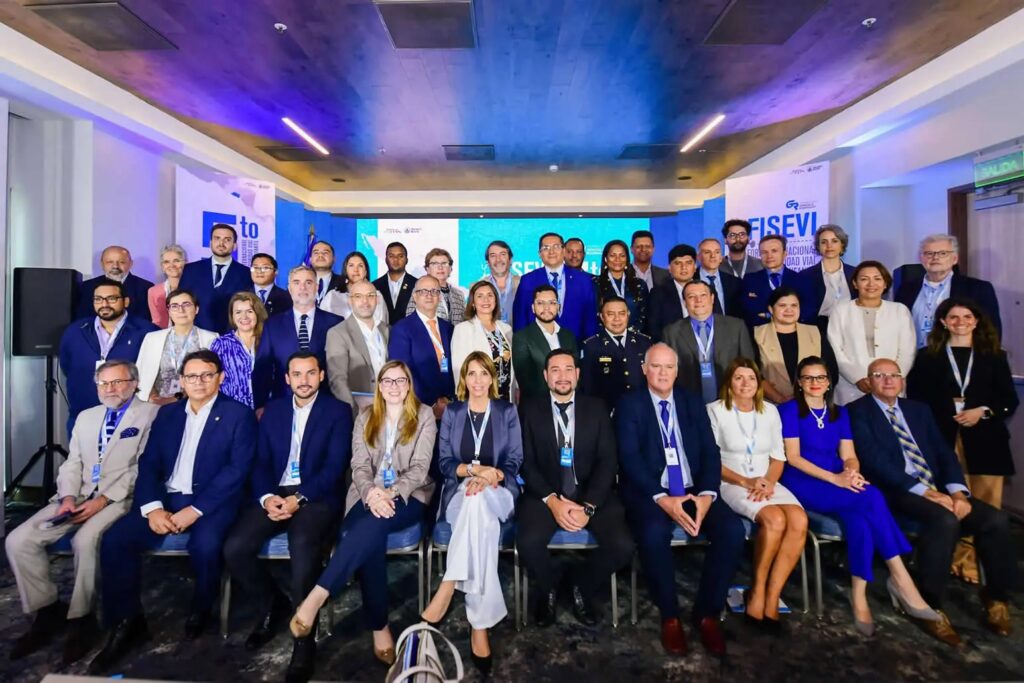
From April 10 to 12, 2024, El Salvador hosted the significant Foro Internacional de Seguridad Vial Infantil (FISEVI 2024), organized by the Gonzalo Rodríguez Foundation and the Government of El Salvador. This forum has become a cornerstone event for discussing and advancing road safety in Latin America, especially focusing on children.
One of the contributions to the forum was from Mr. Marcelo Martínez, Chairperson of the CITA Regional Advisory Group (RAG) for Latin America. Representing CITA, Martínez took a prominent role in the panel “Fiscalización y Control,” where he detailed various models of Periodic Technical Inspection (PTI) systems. His discussion centered around CITA Recommendation 20, exploring its adaptation to the realities of Latin American countries to ensure compliance with technical vehicle inspections.
The panel also featured significant figures such as Alfredo Alvayero, General Director of Transit of El Salvador, and Juan José Olaizola, Vice Minister of Transportation of Uruguay, who shared insights into their countries' efforts towards enhancing road safety. The collaborative efforts highlighted the importance of integrating technology with skilled personnel training to enhance traffic enforcement effectiveness.
Diego Coiro of CIEMSA highlighted the need to tailor road safety strategies to the specific conditions of each territory, emphasizing the importance of sharing and exchanging experiences across borders. Meanwhile, Juan José Olaizola discussed Uruguay's practical application of surveillance tools, demonstrating significant improvements in road safety metrics following the implementation of new technologies, such as extensive radar systems.
Alfredo Alvayero spoke about El Salvador’s holistic approach to road safety, which includes intense public awareness and regulation of driving schools and instructor certification processes as part of a broader national road safety plan.
The forum was enriched with educational sessions led by experts like Fred Wegman, Emeritus Professor at Delft University, who moderated discussions on the need for visibility in law enforcement and the use of automated enforcement technologies. Panels also discussed the integration of various road safety components, such as vehicle safety standards, infrastructure improvements, and legislative measures.
The event concluded with a declaration of commitment to the goals of the UN’s Global Road Safety Plan and the Stockholm Declaration, aiming to reduce road traffic deaths and injuries by 50% by 2030. The declaration emphasized the need for strong political leadership and international cooperation to protect children on the roads.
Founded in 1992, today TEXA is a leader in the design, industrialization and production of diagnostic tools, tele-diagnostic devices, A/C service stations, exhaust gas analyzers, dedicated to cars, bikes, trucks, agricultural vehicles, and marine engines.
The last frontier is the production of sophisticated Powertrain systems for electric vehicles. Present all over the world with a widespread net of distributors, TEXA commercializes directly in Brazil, France, Germany, Japan, the UK, Poland, Russia, Spain, and the United States through its subsidiaries.
Currently it has almost 1,000 employees: the workforce is young, with over 300 engineers and specialized technicians dedicated to Research and Development.
Certifix is a vehicle inspection company accredited under the ISO 17020 standards and entitled to carry out the remote inspection of any vehicle registered in Spain that undergoes any type of modification.
What sets Certifix apart is not just their accreditation, but also their forward-thinking approach to vehicle inspections. It leverage the latest in digitalization, integrating advanced AI and image recognition technologies to streamline processes like never before. Their commitment to utilizing big data and automating daily activities distinguishes them from the competition, ensuring accuracy, efficiency, and unparalleled service quality.
They have major companies amongst their clients and more than 12000 inspections carried out annually.
As we step into 2024, their vision is clear – to enhance and broaden the scope of our services further. Their goal is to influence the evolution of vehicle inspection techniques, making our roads safer and more eco-friendly. With the rapid advancements in technology reshaping various sectors, Certifix is at the forefront, embracing these changes to foster a safer, more sustainable future for road travel.
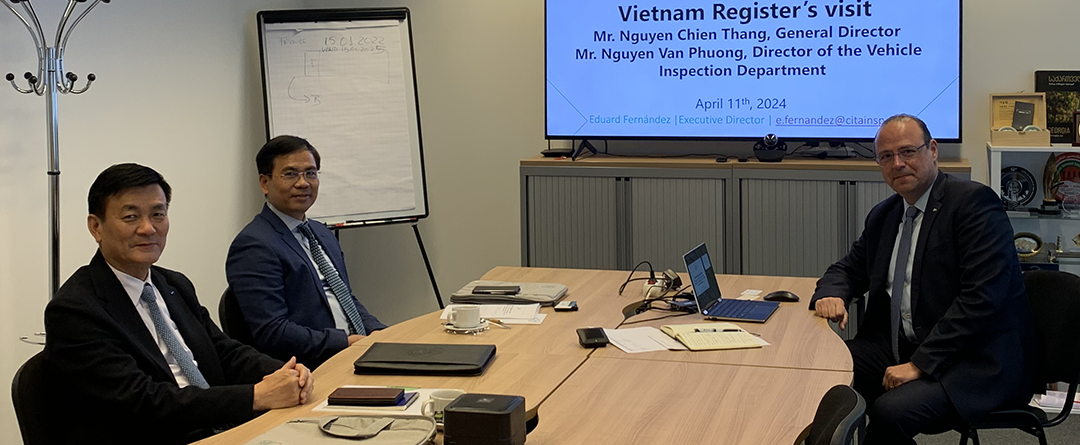
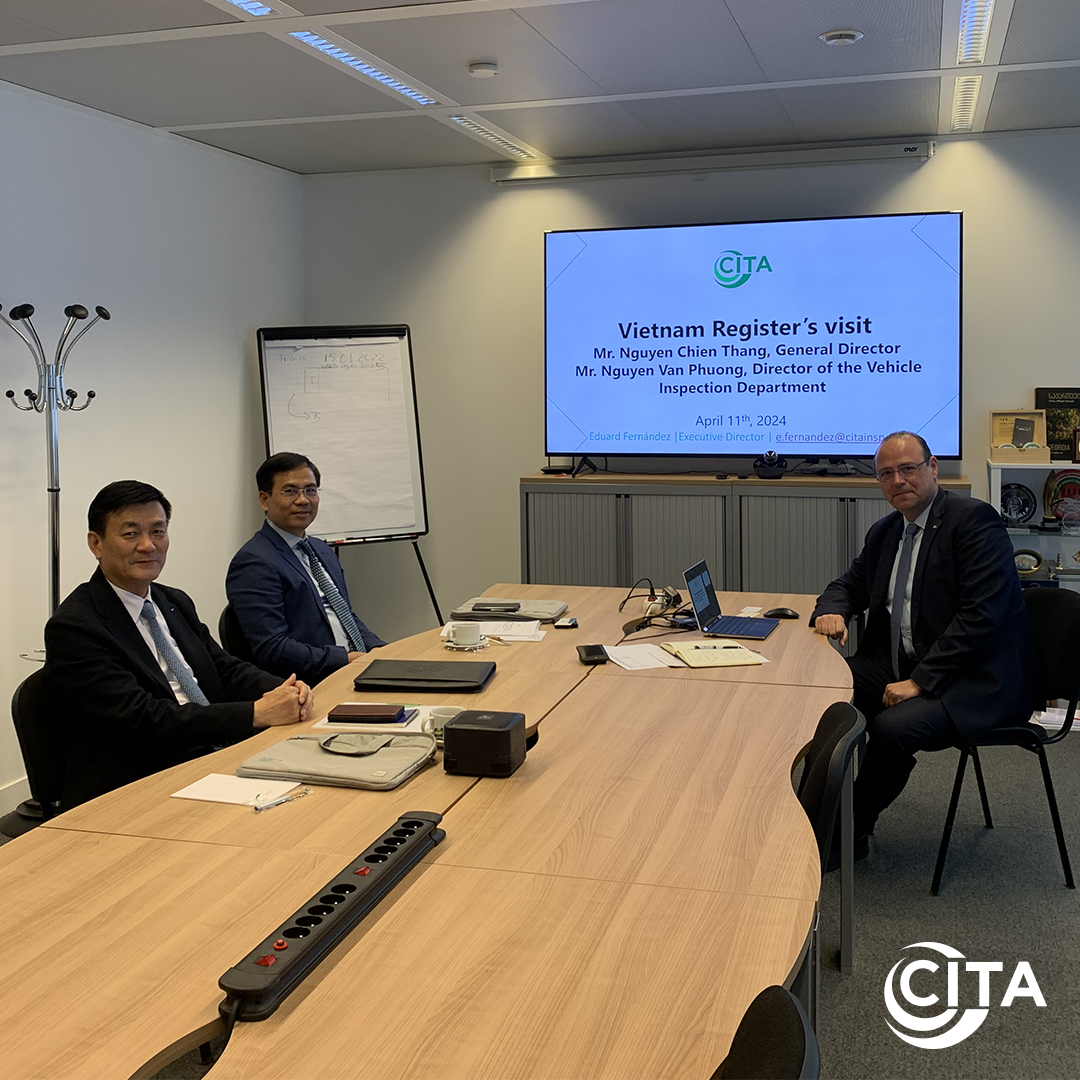
April 11, 2024. A delegation from the Vietnam Register, composed by Mr. Nguyen Chien Thang, the General Director, alongside Mr. Nguyen Van Phuong, Director of the Vehicle Inspection Department, made a significant visit to CITA headquarters in Brussels.
This visit is part of a broader European tour undertaken by the Vietnamese delegation aimed at garnering inspiration and insights to refine and elevate the PTI standards in Vietnam. The delegation’s decision to include CITA in their itinerary underscores the importance of international collaboration in advancing vehicle safety and environmental standards globally.
Vietnam Register has been an active participant in CITA’s endeavors, reflecting a deep-seated commitment to advancing vehicle inspection protocols and safety measures. Over the years, Vietnam Register has not only hosted several CITA activities but also assumed the chairmanship of the CITA Regional Advisory Group (RAG) for Asia/Australasia. This role has significantly contributed to fostering dialogue, sharing best practices, and implementing innovative inspection solutions across the region.
During their visit, Mr. Nguyen Chien Thang and Mr. Nguyen Van Phuong engaged in in-depth discussions with CITA Executive Director Mr. Eduard Fernández , focusing on the latest trends in vehicle inspection, technological advancements, and the challenges of adapting to rapidly changing transportation ecosystems. These conversations are invaluable for Vietnam Register as they seek to integrate these insights into Vietnam's PTI frameworks, aiming to enhance safety, compliance, and environmental sustainability.
This visit is a testament to the power of international collaboration in advancing safety standards worldwide, setting a precedent for future engagements and joint initiatives.
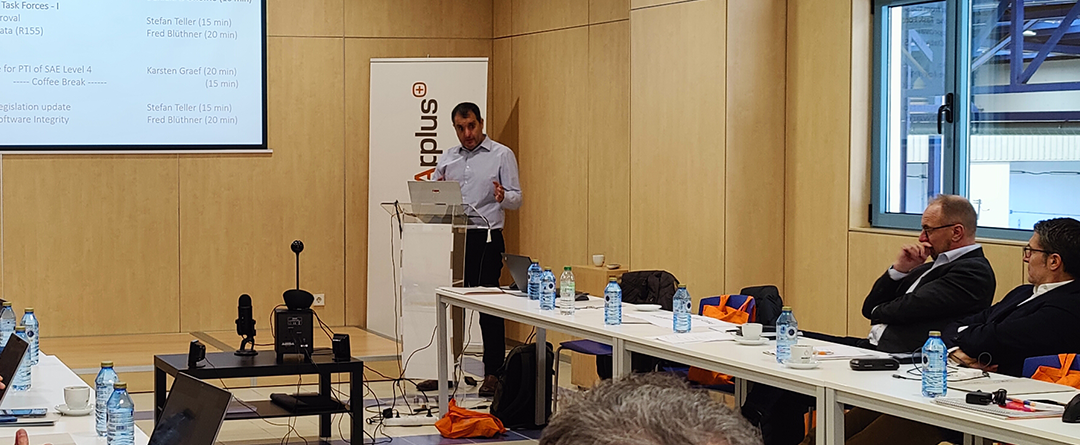
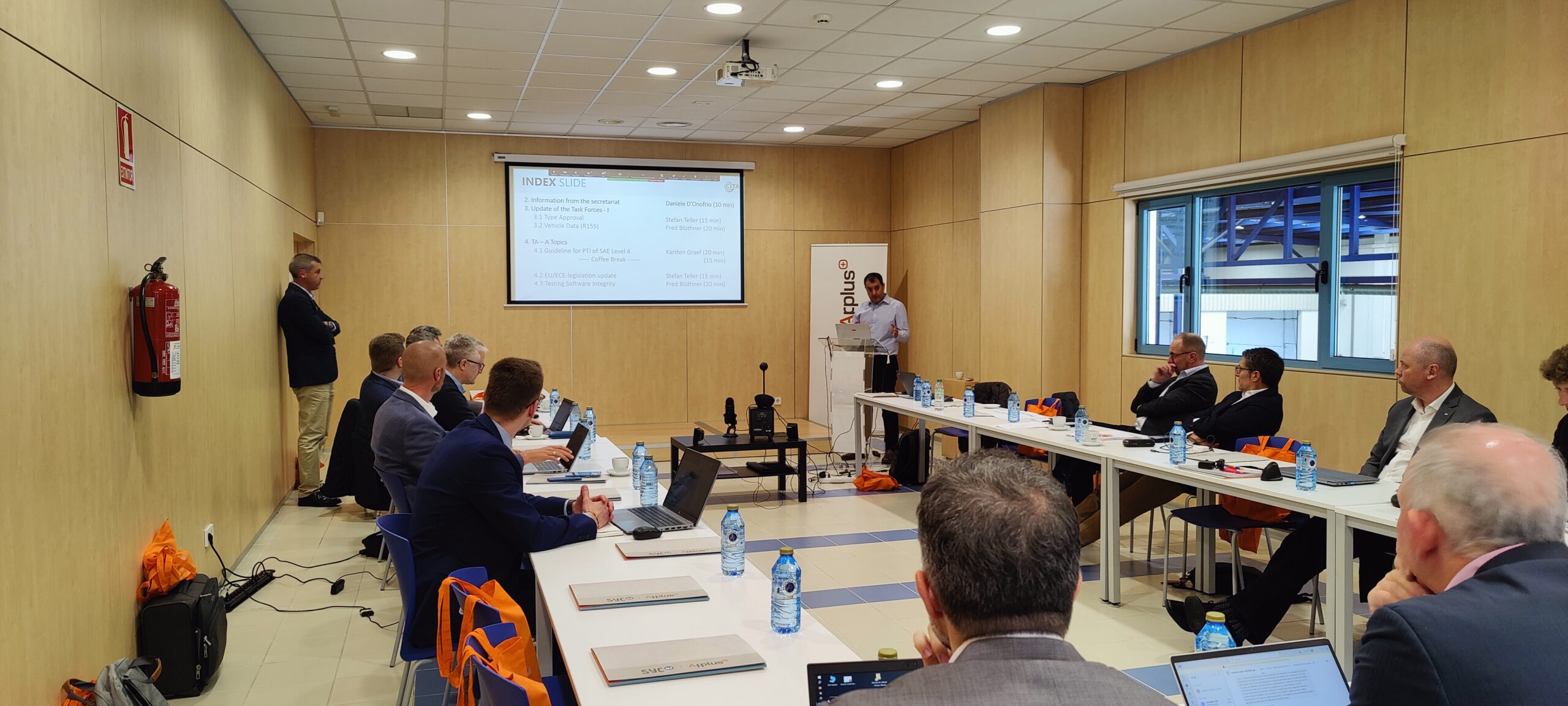
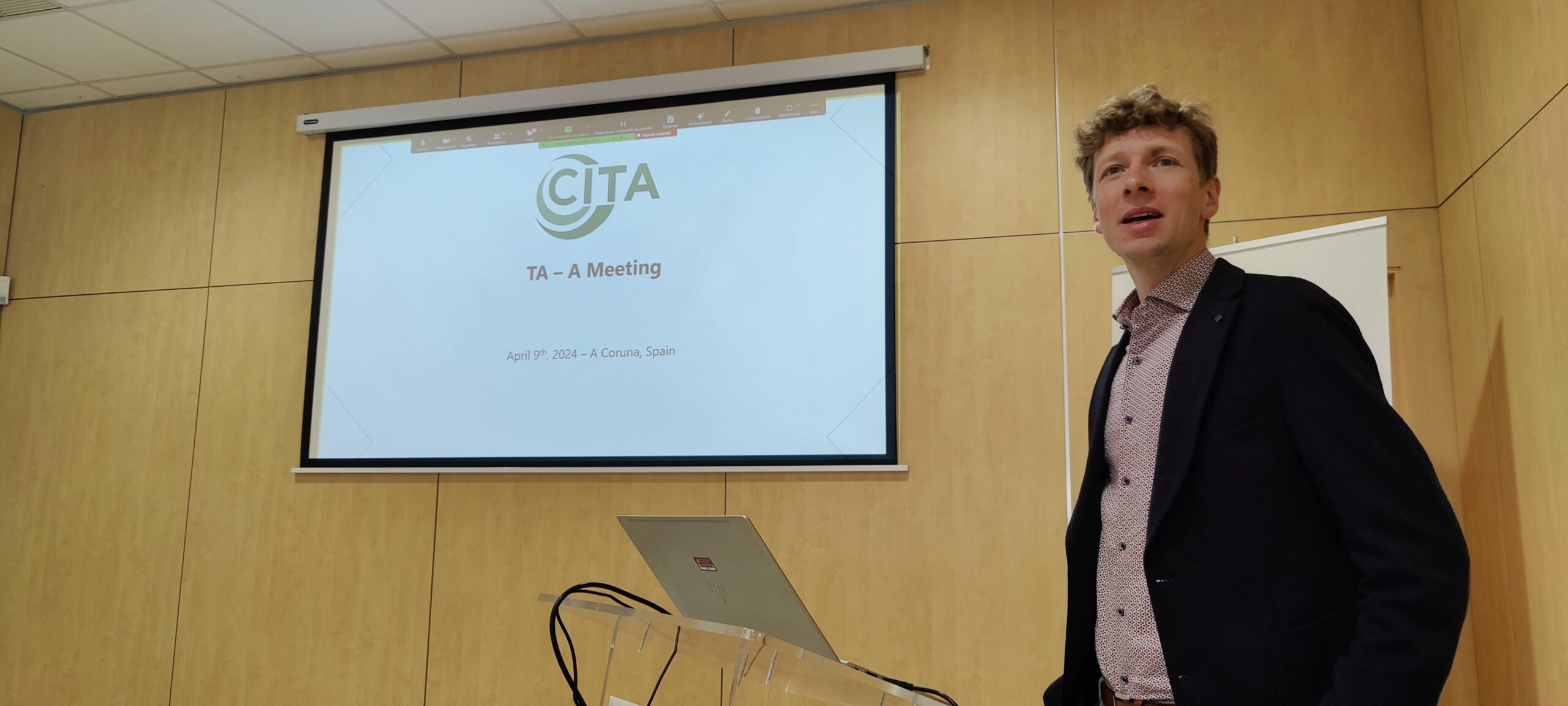
On the 9th and 10th of April 2024, CITA held its Topic Area A, B, and C meetings, a momentous occasion graciously hosted by APPLUS+ at their ITV Espíritu Santo - SYC Applus+ facilities in La Coruña, Spain. This gathering of experts, government officials, and industry leaders marked a significant event aimed at enhancing vehicle compliance, safety, and environmental protection through collaborative discussion and innovation.
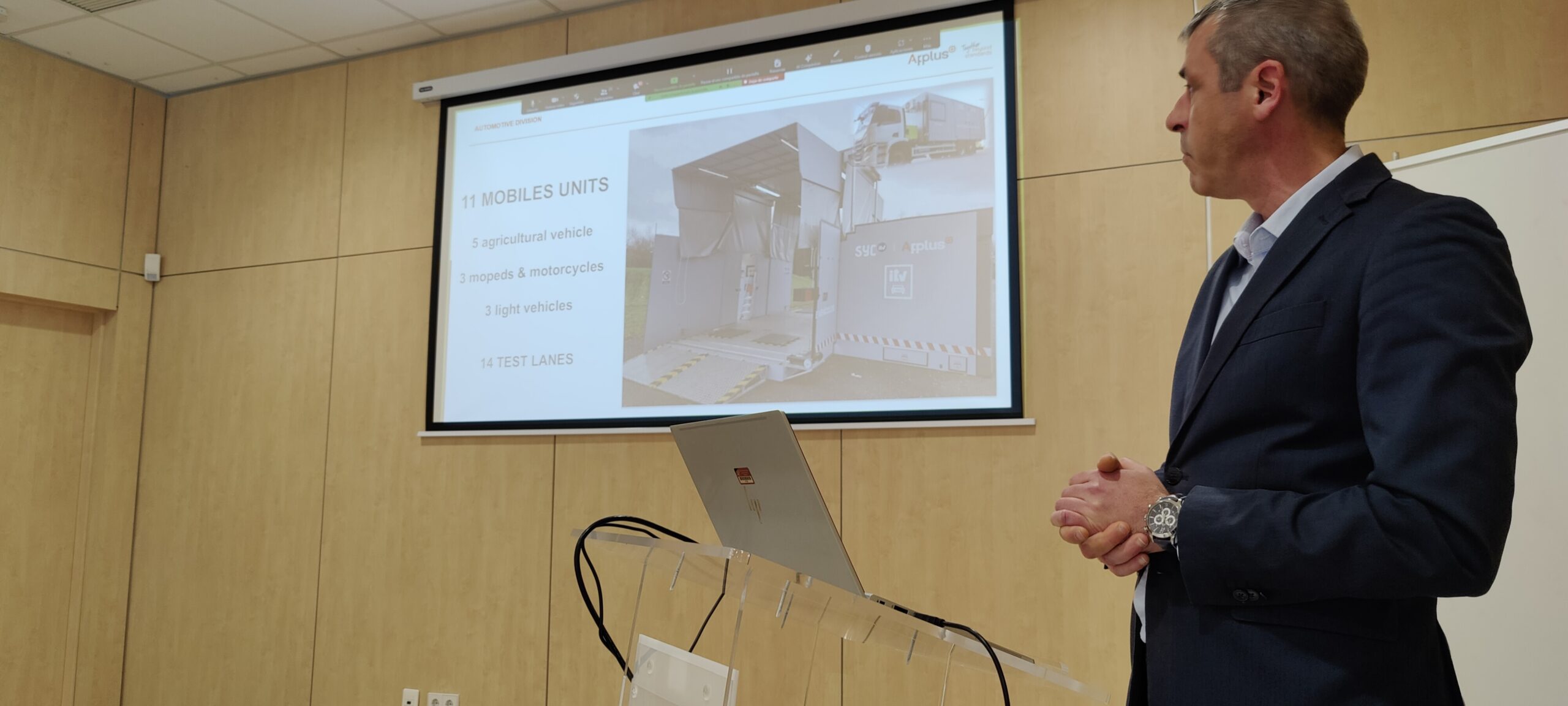
Day One: Focus on Research & Development in Vehicle Compliance The meetings commenced on April 9 with Topic Area A – “R & D vehicle compliance,” highlighting the advancements and challenges in the realm of vehicle inspection and compliance. A presentation was delivered by Alberto Zalvide, General Manager of Applus+ SYC, who detailed the unique aspects of the Galician vehicle inspection network, particularly its use of mobile units to serve low-density population areas effectively.
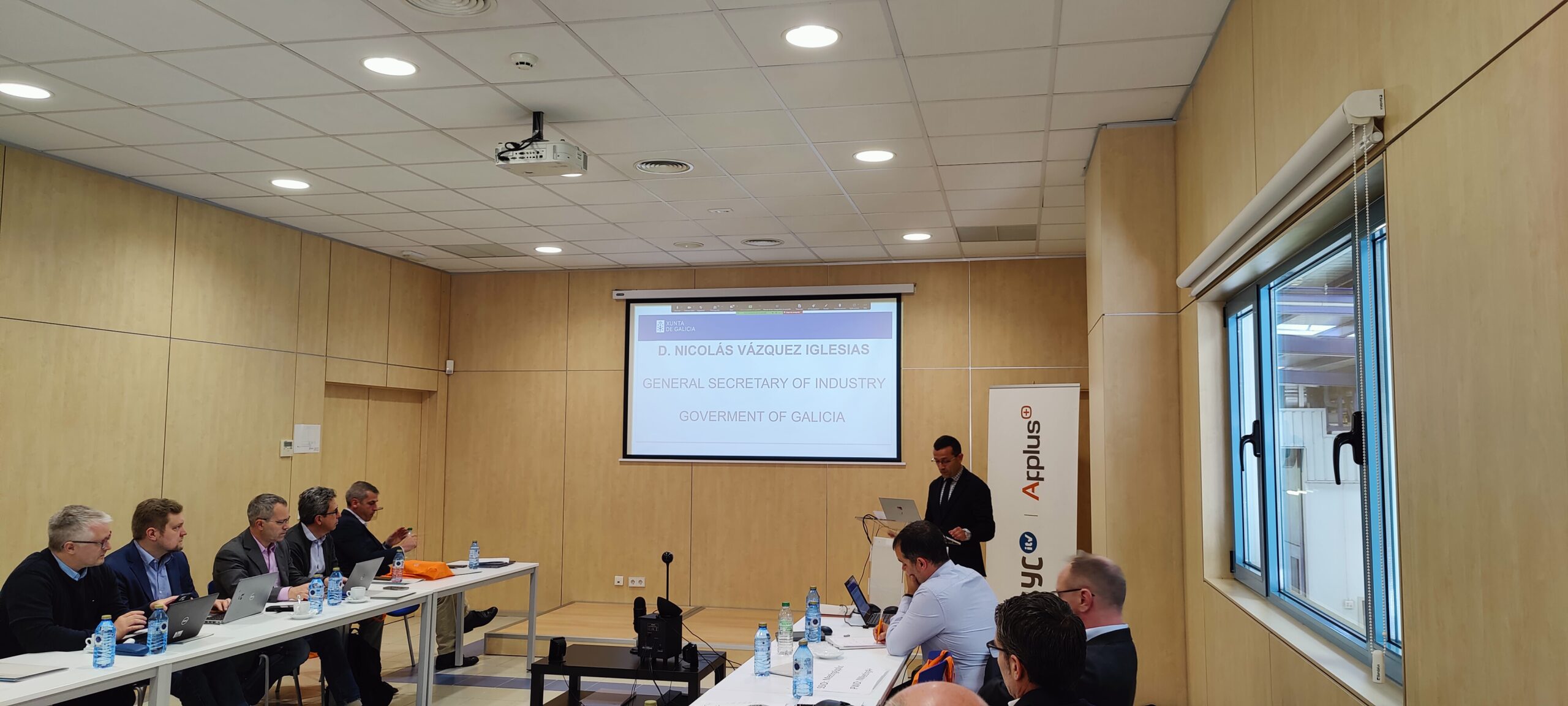
The official opening by Mr. Nicolás Vazquez, General Secretary of the Industry of the Galician Government, underscored the Galician Government's support for CITA's efforts. He emphasized the critical role of vehicle inspection in ensuring safety and environmental conservation, setting a positive tone for the sessions ahead.
The day proceeded with updates on the CITA Task Forces, covering crucial topics such as Type Approval, Vehicle Data, ADAS, Roadworthiness Package, and Electric Vehicles. A significant discussion revolved around the R155 amendment regarding vehicle OBD information access and the necessity for a CITA response to mitigate cybersecurity risks, with a commitment to draft a document outlining the amendment's impact.
Further, updates on EU/ECE legislation provided insights into recent regulatory changes, underscoring the global nature of vehicle compliance and safety standards.
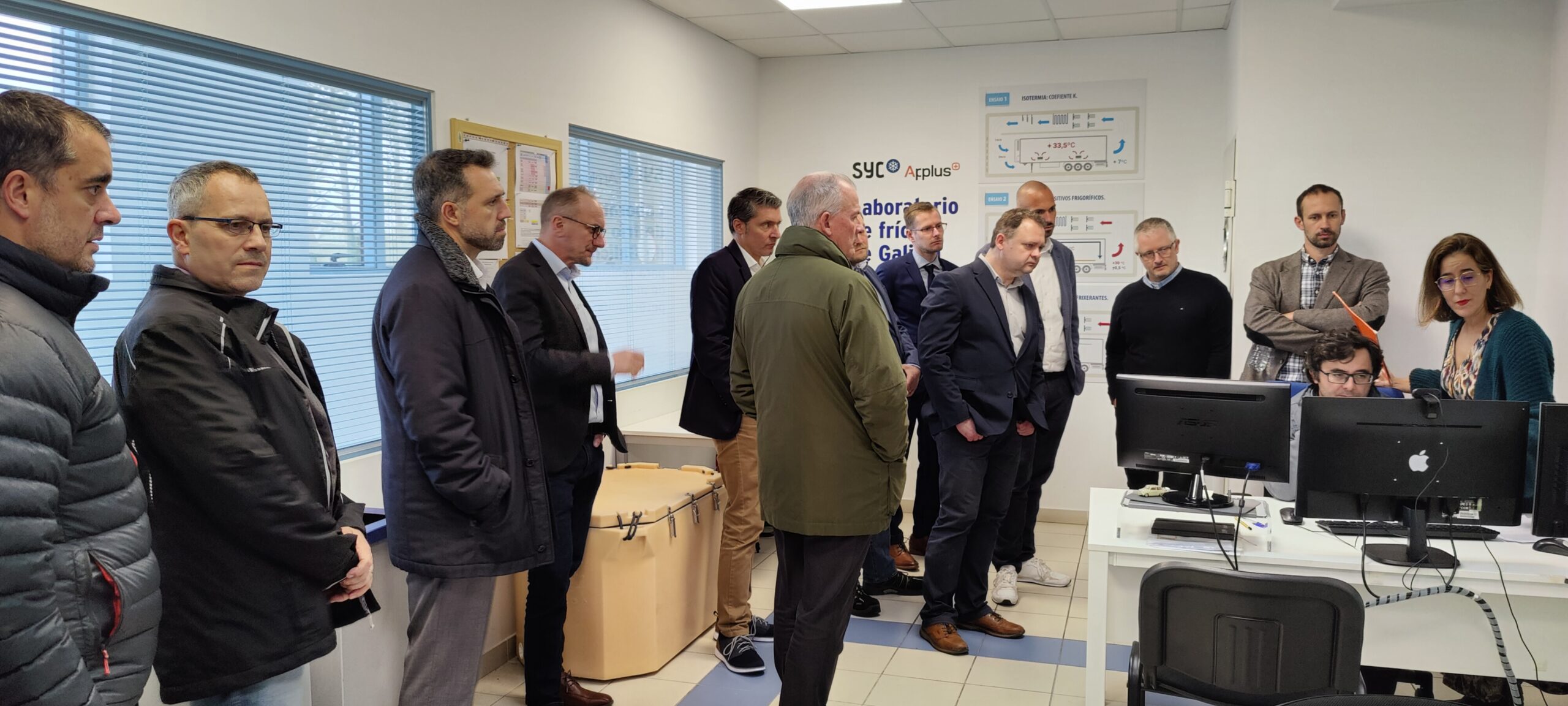
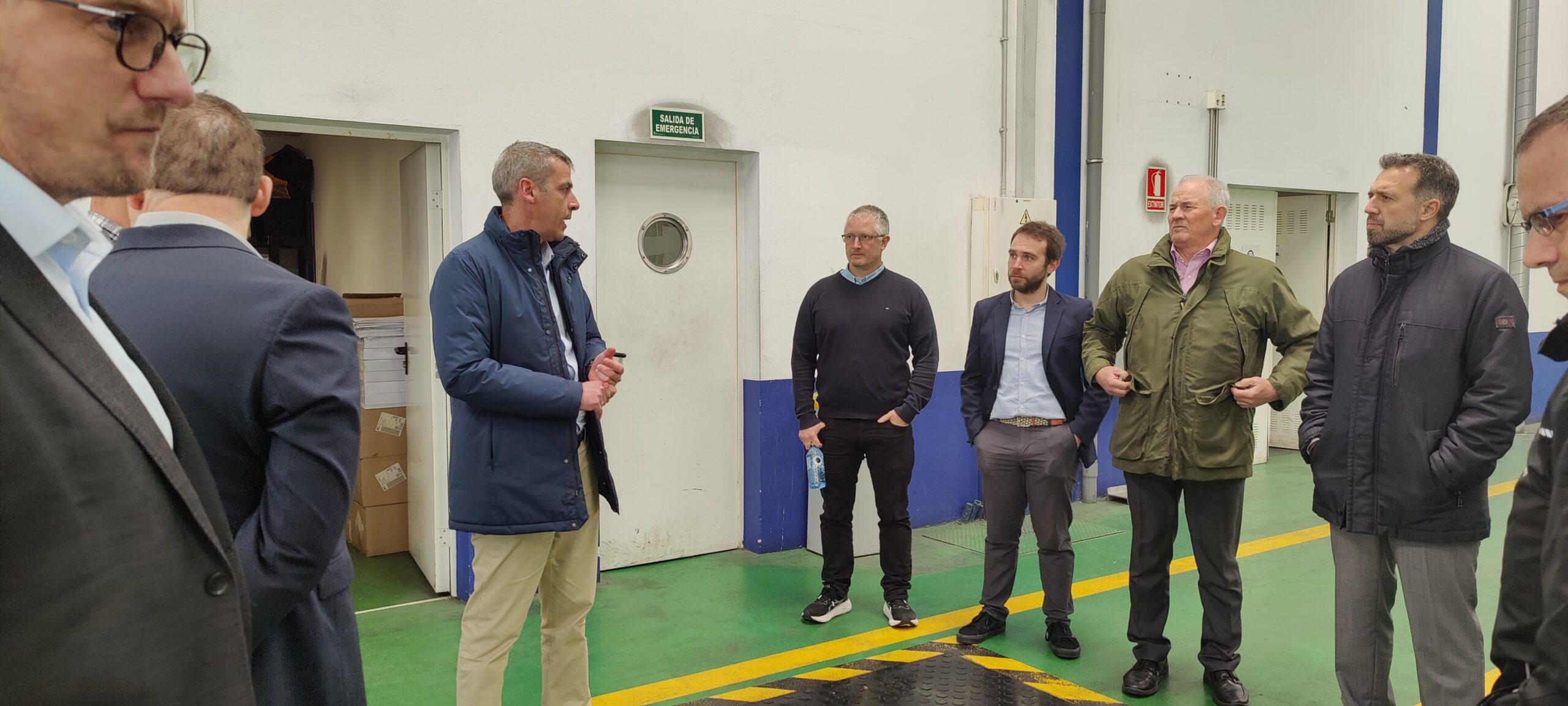
A technical visit to the "Laboratorio de Frío de Galicia" showcased Applus+'s commitment to innovation, offering CITA members a firsthand look at state-of-the-art facilities for testing vehicles transporting perishable goods. CITA members could also enjoy a real car inspection in order to know how the inspection works in Galicia.
Day Two: Enhancing Vehicle Compliance and Engaging in External Affairs The second day divided its focus between optimizing current vehicle compliance (Topic Area B) and delving into external affairs (Topic Area C).
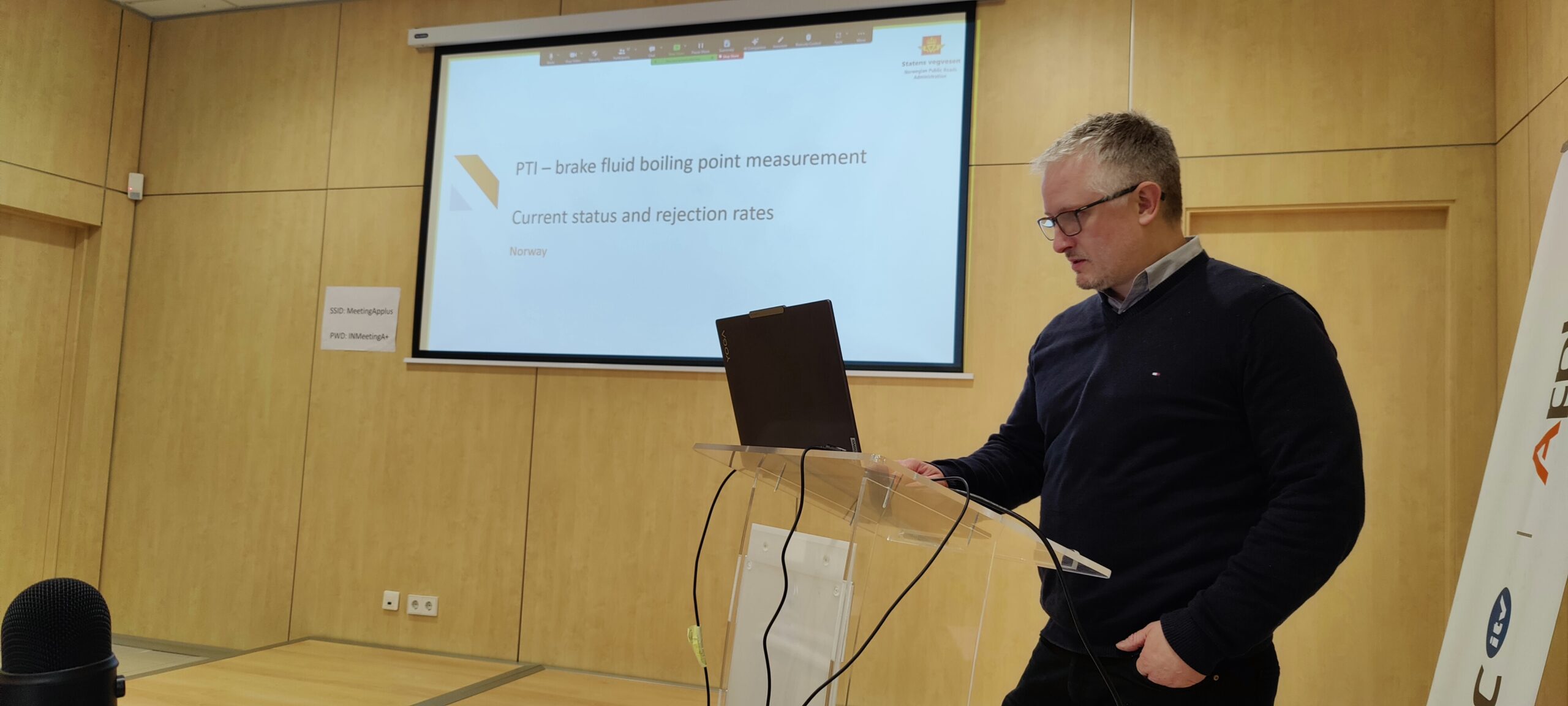
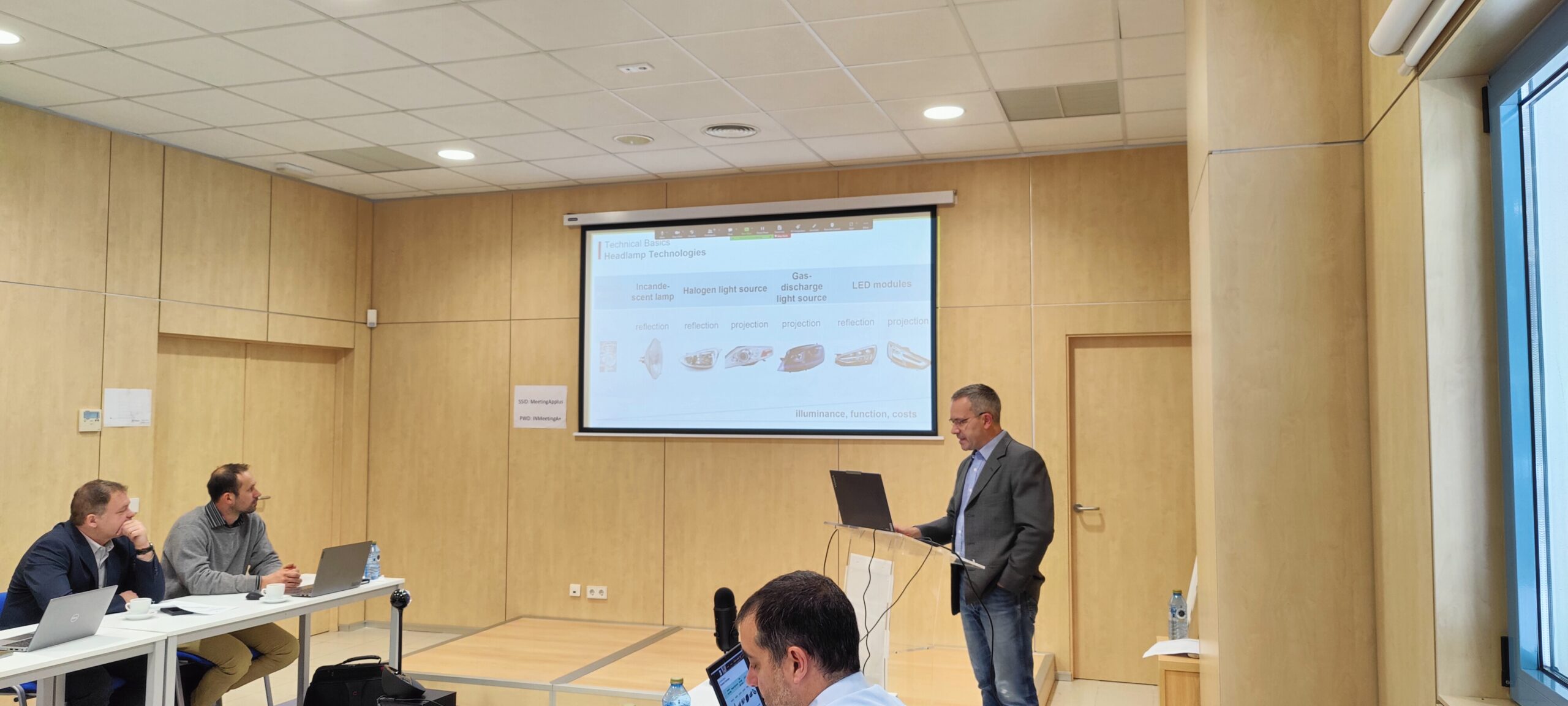
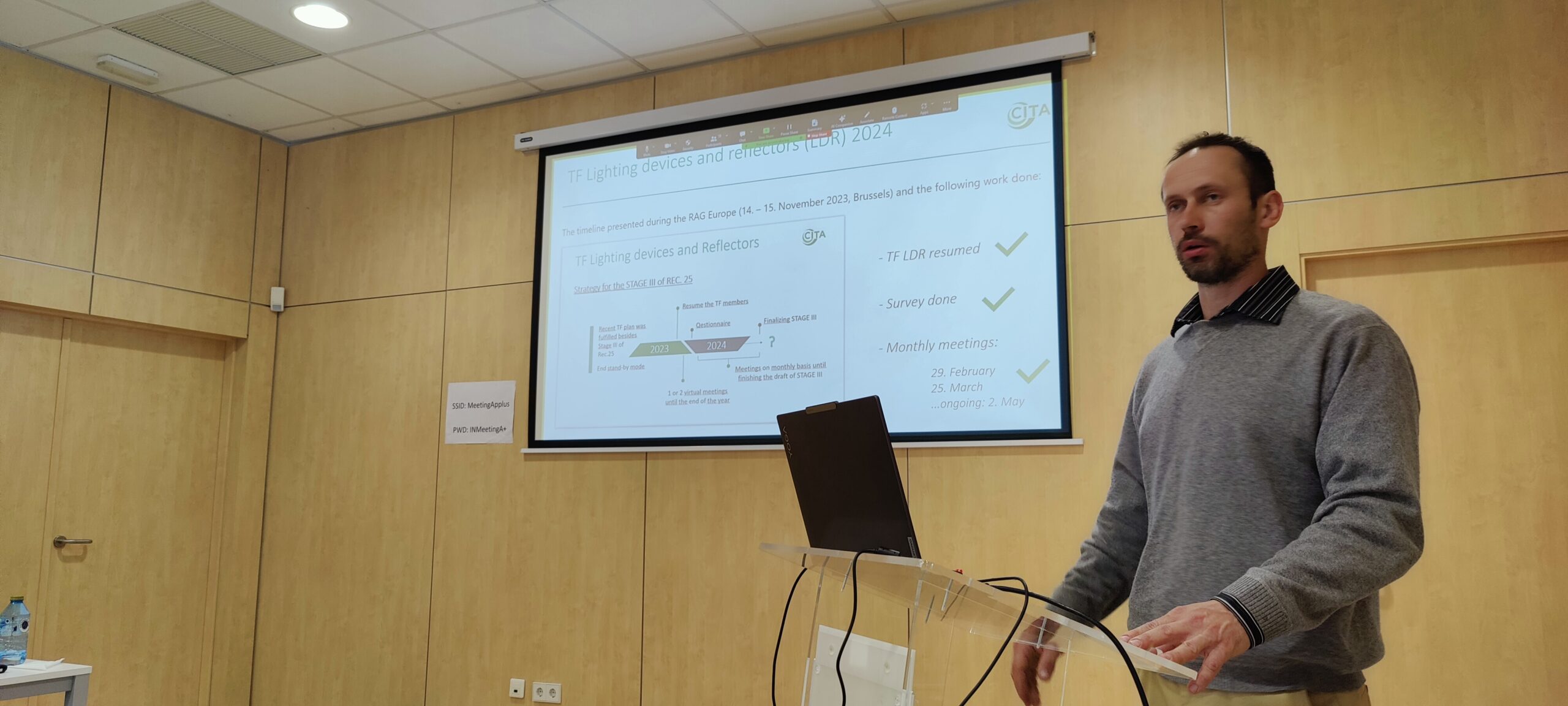
In Topic Area B, discussions covered practical aspects of vehicle inspection, including brake fluid testing in Norway and dynamic light testing. The session also highlighted the interconnected work of various CITA Task Forces, emphasizing collaborative efforts to enhance roadworthiness, lighting devices, and brake systems.
Topic Area C transitioned the conversation to CITA's strategic positioning and advocacy efforts, particularly in anticipation of the European Parliament elections in June 2024. The presentation of CITA's manifesto by Executive Director Eduard Fernández offered a strategic vision for engaging with the upcoming EU institutions mandate. Discussions on lobbying efforts, the PTI-Directive Process, and national-level involvement of CITA members provided a comprehensive overview of CITA's external affairs strategy.
The meetings in La Coruña were not only a testament to the collaborative spirit of CITA and its members but also a reflection of the ongoing commitment to advancing vehicle safety and compliance standards globally. Through productive discussions, technical visits, and strategic planning, the CITA meetings hosted by APPLUS+ in Spain have set a constructive path forward for addressing current challenges and future opportunities in the vehicle inspection industry.