
VEHICLE

A new CITA member from Taiwan


Vehicle Safety Certification Center (VSCC), established in 2009, is a Non-Profit Organization and the only vehicle safety type approval institution authorized by Taiwan’s Ministry of Transportation and Communications (MOTC).

To enhance vehicle safety management, VSCC provides comprehensive services including vehicle and component safety type approval, vehicle safety test, accreditation of technical services, examination of in-use vehicle alteration, alcohol interlock device certification, taximeters functional check / diversified taxi APP fare check, vehicle safety investigation and recall supervision, management of the Taiwan New Car Assessment Program (TNCAP), promotion of vehicle electrification and decarbonization, intelligent vehicle and V2X product certification management.


Please visit their website

CITA White Paper on Brakes Inspection


CITA is pleased to announce the publication of its new white paper titled "How to Inspect Brakes of Road Vehicles", a comprehensive guide addressing the critical role of brake testing in vehicle safety and PTI.

This technical paper was developed by the CITA Task Force on Brakes, a multidisciplinary expert group composed of representatives from leading PTI organizations, equipment manufacturers, and testing bodies. Their objective was to assess current inspection methods and recommend a harmonized, effective, and future-proof approach for evaluating braking systems in road vehicles.

The CITA Task Force on Brakes:

  • Leader: Marian Rybiansky – TESTEK, a.s.
  • Christian Fahry – FSD Fahrzeugsystemdaten GmbH
  • Martin Kraus – DEKRA SE
  • Jordi Brunet – VTEQ - VEHICLE TESTING EQUIPMENT, S.L.
  • Peter Ondrejka – TESTEK, a.s.
  • Georges Petelet – CAPELEC
  • Christian Thalheimer – MAHA
  • Tomislav Škreblin – CVH
  • Patrik Persson – APPLUS+
  • Benoît Job – Muller Automotive sas

Why This Paper Matters
Braking systems are among the most safety-critical components in vehicles. However, inspection procedures across countries remain fragmented, and traditional testing methods often face practical and technical limitations. This white paper evaluates the full spectrum of testing methodologies—including dynamic road tests, static brake testers with loaded and unloaded vehicles, extrapolation techniques, and the increasingly relevant reference value method.

Key Takeaways
The reference value method, as defined in UNECE Regulation No. 13, ISO 21069, and ISO 21995, offers the most reliable and efficient approach to brake performance testing in PTI environments. Unlike conventional methods, it allows for axle-by-axle verification of braking forces, is adaptable to both pneumatic and hydraulic systems, and does not require the vehicle to be fully loaded. To make this method widely applicable, the paper emphasizes the need for vehicle-type-specific reference data, accessible via the vehicle’s diagnostic interface, and supported by EU legislation.

This white paper provides valuable recommendations to ensure that brake testing remains robust, consistent, and adaptable to the evolution of vehicle technologies—especially with the growing presence of electric braking systems and connected vehicle diagnostics.


New Version of CITA Recommendation. No. 3


CITA is pleased to announce the publication of the revised version of its Recommendation No. 3, now entitled "Relating to the Features of Measuring Instruments". This update replaces the original document, first adopted in December 1977, under the title "Relating to the Features of Measuring Apparatus".

The updated recommendation reflects significant developments in inspection technology and practice, aligning its content with current standards and regulations such as EU Directive 2014/45/EU, ISO 17020, and ISO 17025. It provides updated guidance on the design, installation, use, maintenance, and calibration of measuring instruments used in roadworthiness testing, ensuring reliable, safe, and consistent measurements across inspection centres.

This revision was carried out by the CITA Task Force "Quality", a group of members committed to reviewing and modernising long-standing CITA recommendations. Their efforts aim to ensure that all CITA documents remain relevant, technically accurate, and in line with the evolving needs of vehicle inspection systems worldwide.

We extend our gratitude to the Task Force members for their valuable contributions:

  • Kanvaly Bamba, SGS
  • Timo Kneuper, ÖAMTC
  • Andreas Klocke, QMEV (leader of this TF)
  • Jaroslav Olexa, TESTEK
  • Juan Portillo Rojano, TÜV SÜD ATISAE S.A.U.
  • François Togny, DEKRA
  • Jasper Vos, RDW

The revised Recommendation No. 3 highlights best practices for the proper use of measuring devices during inspections, reinforcing the role of accuracy, safety, and traceability in vehicle compliance assessments. It also provides clear guidance for both inspectors and inspection bodies regarding the responsibilities tied to equipment handling, training, and maintenance protocols.


CITA Rec. No. 27: “Electric Vehicles: Comprehensive Approach”


CITA is proud to announce the publication of its Recommendation No. 27: Electric Vehicles Inspection – A Comprehensive Approach, a milestone document providing an in-depth framework for the Periodic Technical Inspectionof electric vehicles (EVs) and hybrid electric vehicles (HEVs).

This document offers an urgently needed and harmonized response to the emerging safety, environmental, and operational challenges posed by EVs across their entire lifecycle.

Developed by the CITA Electric Vehicles Task Force, this paper outlines the technical characteristics that distinguish EVs—such as high-voltage components, battery systems, regenerative braking, and unique software elements—and presents a tailored methodology for their inspection.

It proposes:

  • New inspection categories specific to EVs
  • Detailed defect severity classifications
  • Practical test methods for assessing safety-critical systems (e.g., isolation resistance, AVAS functionality, equipotential bonding)
  • Forward-thinking recommendations on data accesssoftware integrity checks, and battery health assessment

Crucially, Recommendation No. 27 emphasizes the need to prepare PTI regimes for aging EVs, ensuring these vehicles remain safe, reliable, and environmentally compliant as they move through second-hand markets and extended use cycles.

While existing EU and international frameworks—such as Directive 2014/45/EU and UNECE Regulation No. 100—provide a legal foundation for vehicle inspection and safety, they do not yet fully account for the specific risks and configurations of electric vehicles. This recommendation fills that gap with actionable technical guidance, and calls for:

  • Regulatory adaptations to support EV-specific inspections
  • Standardized access to diagnostic data, fault codes, and battery software
  • Greater harmonization in inspection procedures across Member States

Recommendation No. 27 is the product of extensive collaboration, research, and expertise from a wide range of CITA Members. We express our sincere appreciation to all colleagues of the Electric Vehicles Task Force for their valuable contributions:

  • Víctor Salvachúa – APPLUS+ (Task Force Leader)
  • Frederick Adler – TÜV NORD
  • Pascal Buekenhoudt – GOCA VLAANDEREN
  • Alejandro Checa – CITA
  • Visar Çekiçi – Albanian General Directorate of Road Transport
  • Luis Gallego – ITEVELESA
  • Manuel Hagemann – TÜV NORD
  • Raphael Lazar - KÜS
  • Leif Magne Halvorsen – NPRA
  • Nina Kornsteiner – AVL DiTEST
  • Dirk Meissner – FSD
  • Andreas Richter – DEKRA 
  • Jesus Raul Ramos – APPLUS+
  • Georges Petelet – CAPELEC
  • Tom Polman – RDW
  • Ralph Schröder – FSD
  • Frank Schouten – Midtronics

This recommendation reaffirms CITA’s commitment to supporting the safe, sustainable, and equitable evolution of mobility. As the EV fleet grows, so must our ability to inspect, maintain, and regulate these vehicles with rigor and consistency.

Recommendation No. 27 is a key step toward future-ready PTI systems that protect users, support innovation, and foster public trust in electric mobility.


ETSC Publishes its 19th PIN Report


Brussels, 24 June 2025 | The European Transport Safety Council (ETSC) has today published its 19th Annual Road Safety Performance Index (PIN) Report, revealing that despite some national successes, the European Union remains significantly off course to meet its 2030 target of halving road deaths and serious injuries.

https://www.youtube.com/watch?v=reFu58WHMj0
Animated graph showing how road mortality has improved across EU between 2001 and 2024

The report highlights that road deaths across the EU27 fell by only 2% in 2024 compared to the previous year — far below the 6.1% annual reduction needed to stay on track. Since 2019, road deaths have declined by just 12%, against a necessary reduction of 27% by this stage.

Norway once again leads Europe in road safety outcomes, recording the continent’s lowest mortality rate at just 16 road deaths per million inhabitants. In recognition of this remarkable and sustained achievement, the ETSC has awarded Norway its prestigious 2025 Road Safety Performance Index (PIN) Award.

The award acknowledges Norway’s “Vision Zero” strategy, local safety innovations, youth-focused reforms, and legislative improvements such as mandatory fatal crash investigations and autopsies.

ETSC Executive Director Antonio Avenoso praised Norway’s commitment: “Norway continues to show what’s possible when a country commits to road safety at every level — from government strategy to local planning. Their results are no accident; they’re the product of clear targets, rigorous implementation, and national ambition.”

The 2025 PIN Report presents a stark contrast between leading countries and those still struggling. While Lithuania, Poland, and Slovenia achieved reductions in deaths above 30% since 2019, eight countries, including Switzerland and Estonia, saw increases in road deaths in 2024. Altogether, 20,017 people lost their lives on EU roads last year.

The ETSC estimates that while 23,800 lives have been saved in the EU since 2014, an additional 49,600 deaths could have been prevented if progress had matched the required pace — a missed opportunity valued at €124 billion in societal benefit.

CITA is proud to support the ETSC’s PIN programme. As a contributing partner, CITA shares ETSC’s commitment to evidence-based policymaking and the promotion of the Safe System approach to road safety.

ETSC, as the independent voice for road safety in Europe, calls on EU institutions and national governments to accelerate efforts through strategic investment, enhanced enforcement, and full implementation of safety performance indicators. The organisation reiterates that road deaths are preventable and that political will is key to achieving change.


CITA Webinar Presenting Global Insights on PTI Practices


On 19 June 2025, CITA held a highly anticipated, members-only webinar unveiling the results of its General Questionnaire on PTI Activities—the most extensive global survey ever conducted on Periodic Technical Inspection (PTI) practices.

Presented by Mr. Olivier Pletinckx, CITA Technical Manager and leader of this project, the session drew the attention of nearly 100 registered members from around the world. The webinar was moderated by Mr. Eduard Fernández, CITA Executive Director, who facilitated the event and guided an interactive discussion around the findings.

The 2024 questionnaire, relaunched to gather updated data across the CITA network, included 91 detailed questions covering a wide spectrum of topics - from organizational frameworks and inspector training to equipment calibration, emissions testing, and inspections of emerging vehicle technologies such as electric vehicles, ADAS, and autonomous systems. Thanks to an outstanding response rate - 66% participation from 35 out of 53 represented countries - CITA now holds the most comprehensive global dataset on PTI systems to date.

Key Highlights from the Webinar

  • Global Comparisons: Insightful comparisons of organizational models (public vs. private), PTI frequency, vehicle types inspected, re-test procedures, and supervision practices.
  • Technological Advancements: Data on how countries are adapting PTI to account for electric, hybrid, and autonomous vehicles. Notably, only 6% currently inspect autonomous vehicles, and 19% plan to make such inspections mandatory.
  • Inspector Training & Certification: A look at certification standards, ongoing evaluations, and the growing importance of continuous training.
  • Digitalization Trends: Over 70% of inspection reports are now delivered electronically, and 94% of results are fed into central vehicle registers.
  • Standardization Challenges: The discussion raised important questions on harmonizing PTI processes and ensuring a consistent approach to emerging technologies worldwide.

The webinar also provided a platform for open dialogue, encouraging questions and contributions from participants. This collaborative atmosphere allowed members to share their own national experiences, reinforcing CITA’s mission to support continuous improvement in vehicle inspection systems.


New Scientific Publication Highlights the Ongoing Threat of Excess Vehicle Emissions


CITA is pleased to announce the publication of the article “Excess Pollution from Vehicles - A Review and Outlook on Emission Controls, Testing, Malfunctions, Tampering, and Cheating” in the peer-reviewed journal Sustainability, published by MDPI.

This comprehensive review, co-authored by Mr. Pascal Buekenhoudt, CITA Vice President – Technical Affairs, appears as part of the Special Issue Optimising Air Quality and Health Benefits of Transport Decarbonisation and is available online.

The publication explores the enduring relevance of internal combustion engine vehicles (ICEVs) and their environmental impact, emphasizing that ICEVs will remain dominant in many global regions well beyond 2050. It highlights four critical issues hindering emission reduction goals:

  • Cheating by manufacturers (e.g., defeat devices)
  • Tampering by vehicle owners
  • Malfunctioning emission controls
  • Inadequate in-service emission testing programs

Drawing from 228 sources, the study stresses the importance of robust and modernized in-service testing (such as Periodic Test and Repair programs), targeted detection of high emitters, and the enforcement of regulations that minimize manipulation and ensure real-world compliance. Among its findings:

  • Emission control deactivation (especially in diesel vehicles) can increase pollutants by factors of 3 to 100.
  • A small percentage of vehicles causes a disproportionate amount of excess pollution.
  • Periodic Test and Repair (PTR) programs can reduce fleet-wide emissions by up to 15%, but effectiveness varies greatly depending on design and enforcement.

This article calls for updated regulatory approaches, better emission monitoring tools (e.g., remote sensing), and enhanced inspection protocols to prevent tampering and uphold air quality standards - aligning strongly with CITA’s mission to ensure road safety and environmental integrity through effective vehicle inspection systems.

Sustainability is an international, open-access journal published semimonthly by MDPI, a pioneer in scholarly publishing based in Switzerland.

For professionals, regulators, and stakeholders involved in emissions control and vehicle inspection, this publication offers valuable insights into future challenges and opportunities.


CITA Highlights Safety in a Changing Vehicle Landscape


On 10 June 2025, CITA hosted an exclusive high-level conference under the patronage of the Polish Presidency of the Council of the European Union. Themed “The Roadworthiness Package and the Challenge of Coping with Vehicle Technology,” the event brought together EU policymakers, technical experts, and automotive industry leaders to address how PTI can remain relevant in an era of rapid technological transformation.

Held in Brussels, the conference emphasized the urgent need to adapt regulatory frameworks and inspection methods to ensure continued vehicle safety and environmental compliance, especially with the proliferation of electric vehicles, advanced driver assistance systems (ADAS), and complex on-board electronics.

Opening Remarks
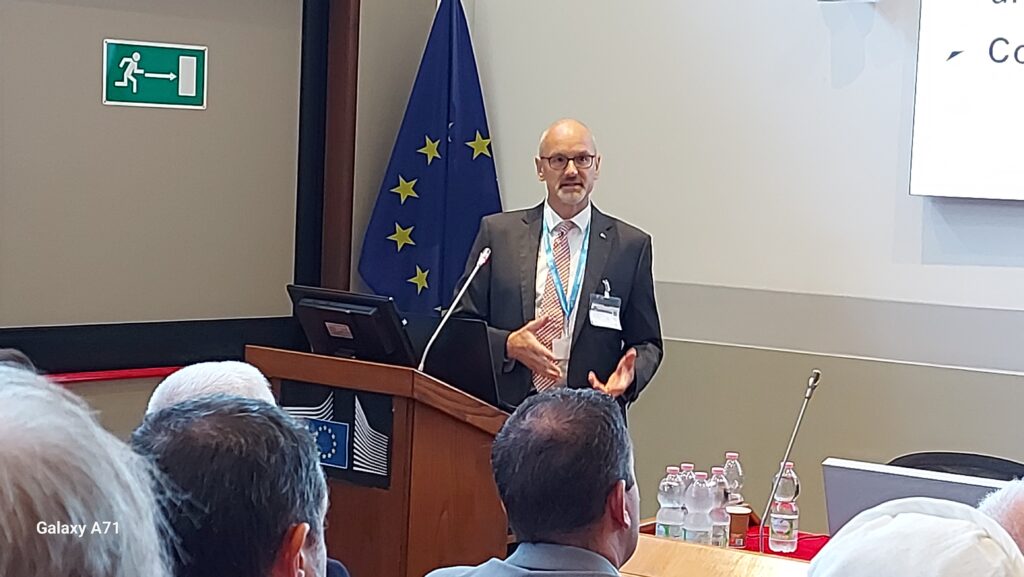
The conference opened with a compelling speech by Gerhard Müller, President of CITA, who underlined the critical role of PTI in guaranteeing road safety amid the growing digitalization and automation of vehicles. He highlighted the shared responsibility of institutions, manufacturers, and inspection bodies in maintaining vehicle compliance throughout its life cycle.

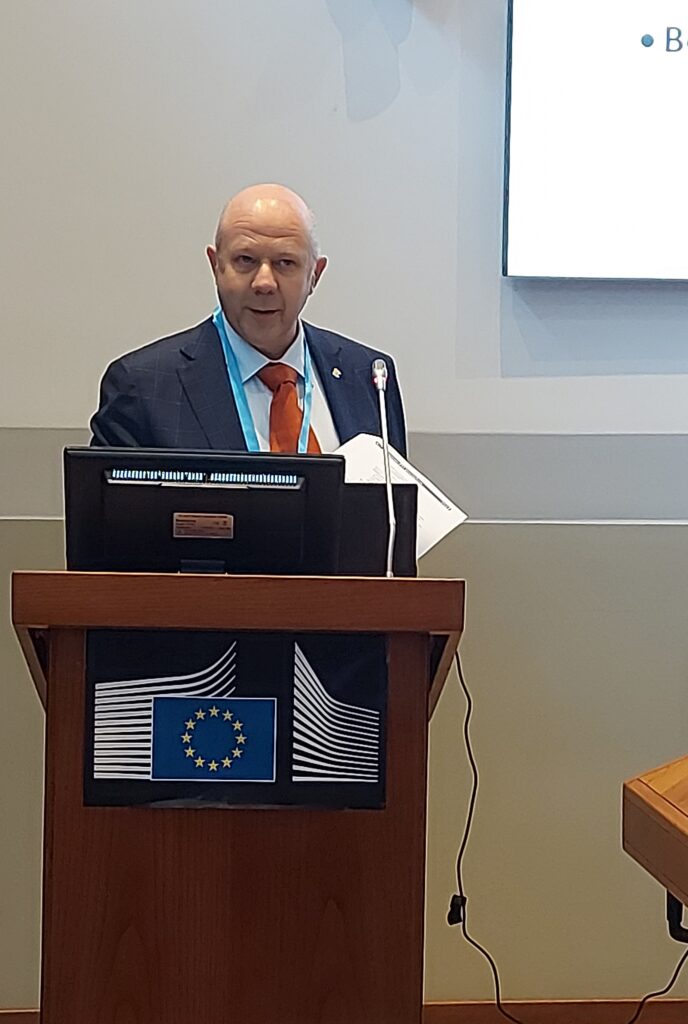
Stanisław Bukowiec, Deputy Minister of Infrastructure of Poland, reaffirmed Poland’s commitment to advancing road safety in Europe and praised the cooperation between national governments and international organizations such as CITA.

Expert Presentations
The technical session began with four in-depth presentations:

  • PTI in Poland – Dr. Łukasz Mórawski (ITS)
    Dr. Mórawski presented a comprehensive overview of the Polish PTI framework, covering inspection procedures, vehicle inspector qualifications, the role of CEPiK (Poland’s vehicle and driver registry), and digital tools like mObywatel 2.0. He emphasized the decentralized yet rigorously supervised nature of Polish inspections, highlighting ongoing efforts to enhance transparency and data integration.
  • Challenges of Individual Used Vehicle Imports – Tobiasz Mościcki (ITS)
    Mr. Mościcki examined the difficulties faced during the registration of used vehicles imported from other EU countries due to inconsistent documentation and classification. He advocated for harmonized EU standards and legal clarity for vehicle inspectors, underlining the gap between the ambitions of the Roadworthiness Package and practical realities.
  • IT Solutions for PTI Centers – Aleksander Ćwiszewski (UNIMETAL Sp. z o.o.)
    Mr. Ćwiszewski showcased advanced digital tools that streamline operations at PTI centers. His presentation featured integrated inspection systems, data encryption protocols, automated calibration tools, and iSKP—a Polish IT platform ensuring seamless data exchange with governmental systems like CEPiK. These innovations promise increased efficiency, transparency, and legal compliance.
  • The Inspection of ADAS Systems – Olivier Pletinckx (CITA)
    Mr. Pletinckx introduced the current work of the CITA ADAS Task Force, presenting multiple technical concepts for assessing ADAS performance during PTI without needing direct access to vehicle ECUs. Concepts ranged from static inspection methods (GTÜ, DEKRA) to dynamic scenario-based approaches (FSD, KÜS, MAHA, DÜRR-KOTSA). Each model was assessed on feasibility, cost, test time, and integration potential—emphasizing the need for standardization and statistical validation.

An engaging debate session followed, with participation from representatives of the Association of Automotive Parts Distributors and Producers (SDCM). The discussion centered on legislative harmonization, data access, and future-proofing PTI methods.

CITA President Gerhard Müller concluded the event by reiterating the need for coordinated EU action to ensure that vehicle inspections evolve alongside technology. He expressed appreciation for the Polish Presidency’s support and encouraged further research and cooperation across borders.


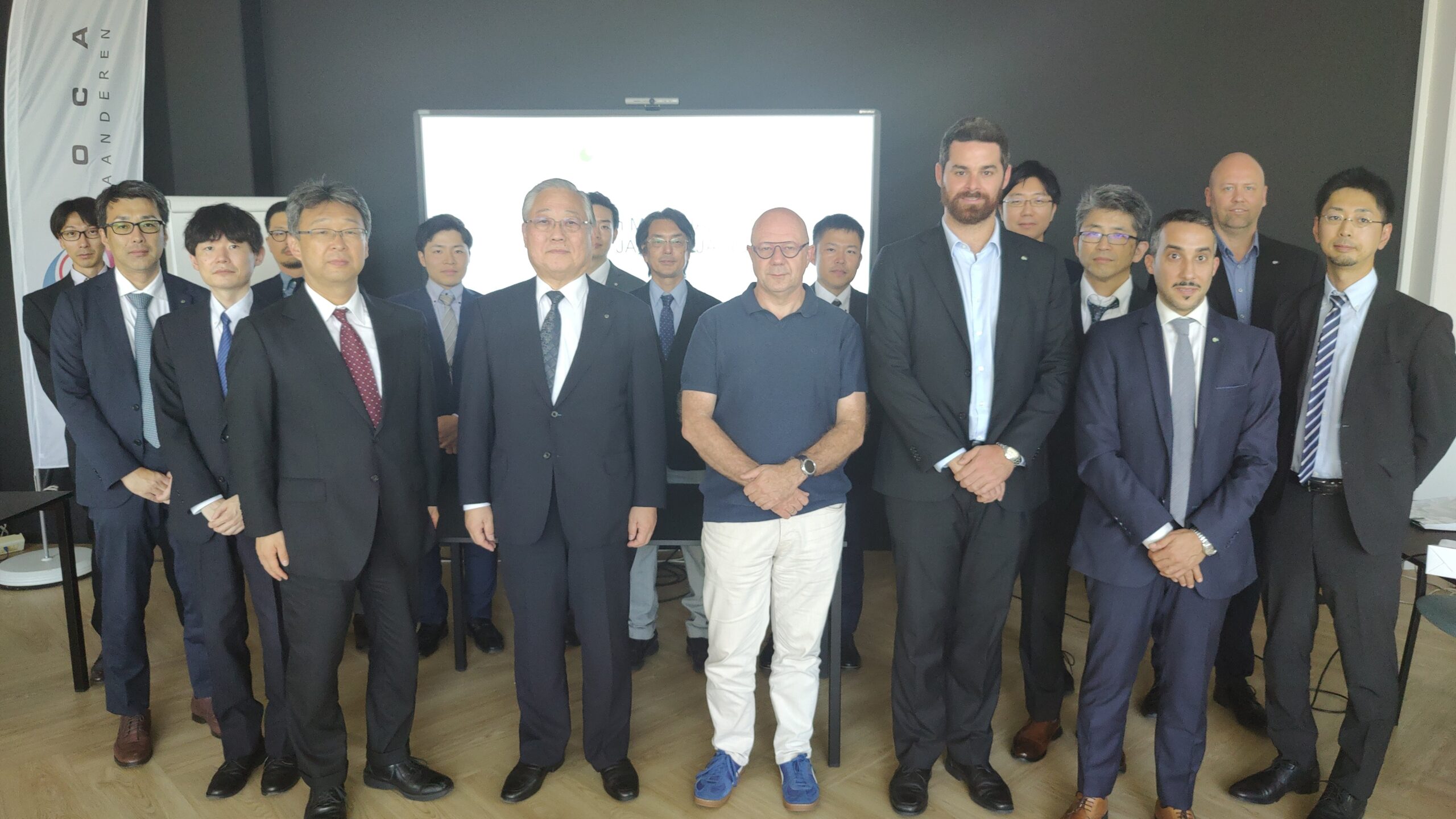
CITA Workshop in Tokyo: New Technologies in Vehicle Inspection


On 28 May 2025, the CITA community gathered in Tokyo, Japan, for a high-level workshop focused on New Technologies and Vehicle Inspection. The event was hosted by the Japan Automobile Standards Internationalization Center (JASIC) in conjunction with the 39th meeting of the Informal Working Group on Periodical Technical Inspection (IWG on PTI), under the auspices of UNECE.

Adapting Vehicle Inspection to Technological Advancements

As vehicle technologies continue evolving toward greater automation and connectivity, the workshop provided a timely platform to address how these advancements impact roadworthiness and inspection regimes worldwide. Discussions emphasized the growing need to ensure vehicle performance remains reliable throughout a vehicle’s life cycle—even as vehicles are increasingly operated across borders and under diverse regulatory frameworks.

CITA Executive Director Eduard Fernández moderated the session, guiding a series of insightful presentations that drew from both global perspectives and national experiences.

Key Highlights from the Agenda:

  • Mr. Takizawa Fumiya (NALTEC) opened with an overview of Japan’s regulatory approach to automotive safety and its response to advanced technologies.
  • Mr. François Guichard (UNECE) presented the vision of the World Forum for Harmonization of Vehicle Regulations (WP.29), emphasizing the global dimension of vehicle compliance.
  • Experts from KOTSA (Korea Transportation Safety Authority) shared recent developments in Korea:
    • Mr. Sang Woong Park discussed cross-border cooperation with Mongolia.
    • Mr. Ki Seong Noh outlined updates to Korea’s PTI system.
    • Mr. Yong Kook Kim presented on diagnostic tool development for vehicle inspection.
  • Mr. Alejandro Checa (CITA Technical Director) explored the limitations of on-board diagnostics and the need for comprehensive risk analysis to support effective inspection practices.
  • Mrs. Melissa Archer (UNECE) concluded with updates on the SCUV project and SCUNV Informal Working Group activities, offering insights into future directions for used vehicle regulation.

The following day, participants had the opportunity to visit a state-of-the-art inspection facility, hosted by CITA member NALTEC, to witness firsthand how Japan integrates technology into PTI practices.


CITA NewsRelease – May 2025


We are pleased to announce that the May 2025 edition of the CITA NewsRelease is now available for download.

This edition includes updates on the 24th CITA General Assembly and International Conference in Istanbul, our views on the EC’s Industrial Action Plan, summaries of key events such as the “Future of Mobility” at the European Parliament, recent and upcoming CITA webinars, regional conferences, and much more.

You will also find news on our newest members and contributions from across the CITA community.