
NOx

Evaluation of African Road Safety Action Plan Shows Mixed Results


CITA has published new findings from a comprehensive study evaluating the African Road Safety Action Plan, developed by the United Nations Economic Commission for Africa (UNECA). The study, conducted by researchers Dominique Mignot, Laurent Carnis, Eduard Fernandez, Davide-Shingo Usami, and Ruth Welsh, highlights the critical challenges and progress in road safety across the African continent.

The research, which aims to contribute to the improvement of road safety in Africa, reveals that despite some advancements, significant challenges remain. The mid-term evaluation of the UNECA Action Plan indicates that the expected results are not being fully realized, with progress being uneven across different pillars of road safety.

KEY FINDINGS

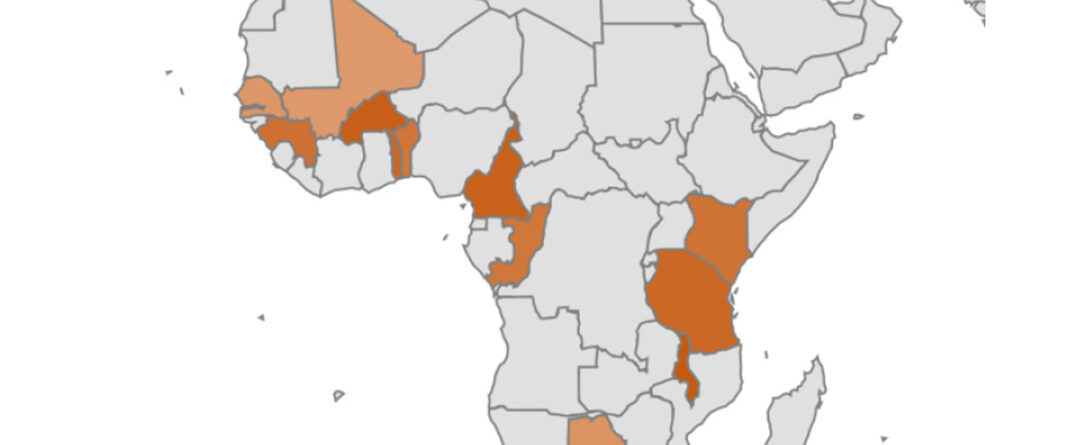
  • Road Safety Management: The study identifies weaknesses in road safety management, including poor institutional organization and coordination, inadequate policy implementation, and insufficient funding. Only a few countries like Burkina Faso and South Africa show relatively good performance, while many others lag behind.
  • Safer Roads and Mobility: The implementation of road safety audits and inspections is progressing slowly. Few countries have developed technical guidelines for road safety audits and inspections, which are crucial for improving road infrastructure safety.
  • Safer Vehicles: While vehicle inspection is widespread, the quality and regional spread of inspections are inconsistent. The study recommends encouraging the importation of safer vehicles through the application of standards and improving the roadworthiness of both new and used vehicles.
  • Safer Road Users: There has been some progress in promoting road safety among young people, but much work remains. The use of child restraints and education on safe road user behavior are areas needing significant improvement.
  • Post-Crash Response: The capacity for post-crash response, including emergency medical services and trauma care, is generally inadequate. The study emphasizes the need for better-equipped ambulances, improved emergency medical services, and the development of trauma care facilities.

RECOMMENDATIONS

The study proposes several recommendations to enhance road safety in Africa:

  • Strengthen the institutional framework and allocate adequate resources for road safety policies.
  • Develop consistent and systematic data collection systems to inform public policies.
  • Promote the use of child restraints through legislation and public awareness campaigns.
  • Improve the technical capacity for road safety audits and inspections.
  • Ensure the availability of quality spare parts and a network of qualified repair and maintenance workshops.
  • Enhance cooperation with non-governmental organizations (NGOs) and the private sector.

Eduard Fernandez, representing CITA, emphasized the importance of these recommendations, stating, "Effective implementation of these measures is crucial for saving lives and improving road safety across Africa. CITA remains committed to supporting African countries in their efforts to enhance road safety."


For more detailed information, the full research report can be accessed here.

CITA Webinar “Validation of a Method to Test NOx Emissions”


The webinar, hosted by CITA and the Joint Research Centre (JRC), took place on June 19th on the CITA Zoom channel with over 80 participants. The discussion focused on the collaborative project between the two organizations, aimed at validating a new method for testing nitrogen oxide (NOx) emissions during Periodic Technical Inspections (PTI) in the EU.

Mr. Jacopo Franzetti, Project Manager for Scientific Research at JRC – European Commission, and Mr. Max Holtermueller from DEKRA together with Mr. Thomas Ost, leader of the CITA Taskforce on Emissions, led the presentations. They highlighted the importance of NOx, its formation and reduction, and the scope, the method and results of the project.

Why Focus on NOx? Nitrogen oxides (NOx) are harmful pollutants with severe health impacts. NOx is a strong oxidizing agent that can cause respiratory issues, aggravate other pollutants' effects, and lead to diseases like asthma, bronchitis, and cardiovascular problems. A significant improvement in air quality in Europe has been noted, but NOx levels still exceed WHO guidelines, contributing to premature deaths. NOx primarily forms at high temperatures in the presence of sufficient oxygen, commonly occurring under high engine loads. This poses a challenge for PTI, as controlling these conditions during inspections is complex.

The Project. The JRC has developed a streamlined method for measuring NOx emissions during the PTI of modern Euro 6d diesel light-duty and Euro VI heavy-duty vehicles. This aims to identify malfunctions in Selective Catalytic Reduction (SCR) systems, crucial for reducing NOx emissions. The objective of the project was to validate a NOx monitoring method tailored for PTI in the EU, focusing on modern diesel vehicles under real-world conditions. Various CITA members participated, testing vehicles across different EU countries to account for diverse PTI systems.

The Results. 161 vehicles from various countries were tested, encompassing a wide range of mileages and ages. Key findings include:

  • Vehicle Age and Mileage:  A very wide range of vehicles were tested, with mileages ranging from 0 to 347.000 km.
  • NOx Emissions: Average NOx emissions were 26 ppm in the first 30 seconds, with significant variations among different participants and vehicle conditions.
  • Feedback: Participants rated the method's feasibility, integrability, and time effort on a scale from 1 to 5, with average scores indicating moderate satisfaction. Challenges included difficulty in warming up vehicles and software/hardware issues.

Conclusion. The validated method is suitable for modern diesel vehicles with SCR catalysts but not for those without. While the method is generally simple, integrating the warm-up process into PTI remains a challenge. Further optimization and precise specifications for the warm-up process are necessary. CITA's Task Force on Emissions is preparing a detailed report on the project's findings, expected to be published by August/September. Additionally, a survey on driving practices during PTI will be conducted between CITA members.

CITA remains committed to supporting the method's further development and implementation.