CITA welcomes the accession of Armenia to the UNECE 1997 Agreement concerning the adoption of uniform conditions for periodical technical inspections of wheeled vehicles and the reciprocal recognition of such inspections.
Armenia deposited its instrument of accession on 11 February 2026, becoming the latest Contracting Party to the Agreement, which provides the international framework for harmonized PTI requirements and the mutual recognition of vehicle inspections among participating countries.
Last week, during the WP 29 UNECE meeting in Geneva, Armenia become officially a contracting party for the 1997 Agreement.
The Agreement plays a key role in promoting road safety and environmental protection by establishing common technical inspection rules that help ensure vehicles remain roadworthy throughout their operational life. As vehicle technologies continue to evolve, international cooperation on PTI becomes increasingly important to maintain high levels of safety, reduce emissions, and facilitate cross-border transport.
Armenia's accession represents another positive step towards the wider adoption of internationally harmonised vehicle inspection standards. It also reinforces the growing recognition of PTI as an essential element of a safe, sustainable and efficient road transport system.
CITA strongly supports the objectives of the 1997 Agreement and continues to encourage countries to participate in its implementation and the ongoing development of UN Rules for vehicle inspection.
Further information on the status of the 1997 Agreement and its Contracting Parties is available through the UNECE Transport portal.
CITA is proud to have contributed to the development of the Ibero-American Safe Mobility Index (IIMS – Índice Iberoamericano de Movilidad Segura), a landmark initiative coordinated by Fundación MAPFRE and developed in collaboration with a broad coalition of road safety stakeholders from across the Ibero-American region.
The publication, “Recovering Hope: A New Narrative and the Ibero-American Safe Mobility Index (IIMS)”, brings together experts from victim associations, public institutions, research organisations, international bodies and the private sector to establish a common framework for assessing and improving road safety performance throughout Ibero-America.
Among the authors is Eduard Fernández, Executive Director of CITA, representing and contributing CITA’s expertise in vehicle safety and roadworthiness.
Inspired by the Human Development Index, the IIMS has been designed as a practical and comparable tool to measure the maturity of national safe mobility systems. The index evaluates key areas such as:
Road traffic mortality rates;
Victim support and post-crash care;
Road safety legislation and enforcement;
Driver training;
Occupational road safety;
Vehicle safety;
Safe infrastructure; and
Public transport safety.
The objective is not only to compare performance between countries but also to identify priority areas for investment and policy action, encouraging continuous improvement through evidence-based decision-making. The report highlights vehicle safety as a fundamental pillar of the Safe System approach. It recognizes the importance of vehicle safety standards and periodic vehicle inspection programmes in ensuring that vehicles remain safe throughout their operational life.
CITA’s participation reflects its long-standing commitment to promoting effective vehicle inspection systems and supporting policies that contribute to safer roads, cleaner vehicles and sustainable mobility.
The report delivers a powerful message: investing in safe mobility is an investment in life, health, productivity and social well-being. It calls for stronger cooperation between governments, civil society, industry and international organizations to accelerate progress towards safer transport systems across the region. The creation of the IIMS represents an important step towards establishing a common language, shared objectives and measurable indicators that can help countries track progress and implement effective road safety policies.
CITA welcomes this initiative and looks forward to supporting its future development, helping ensure that vehicle safety and roadworthiness remain central elements of safe mobility strategies throughout Ibero-America.
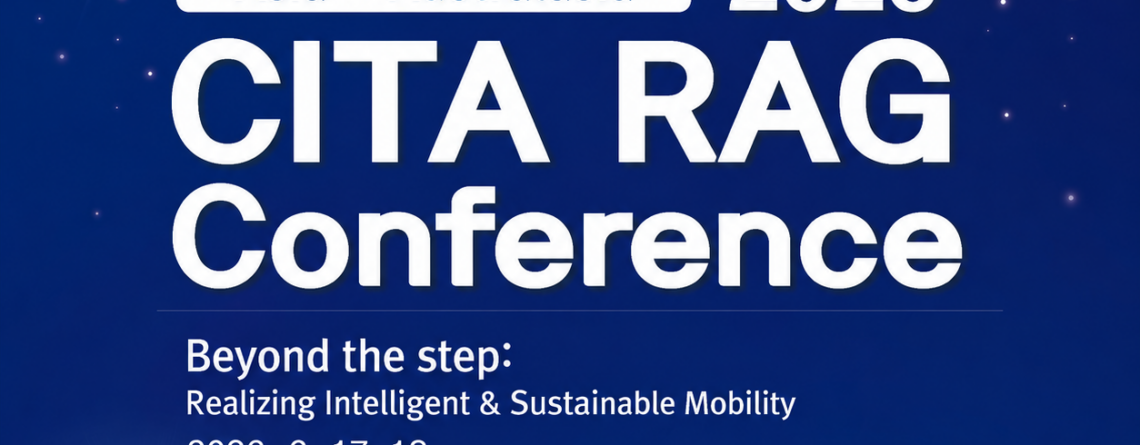
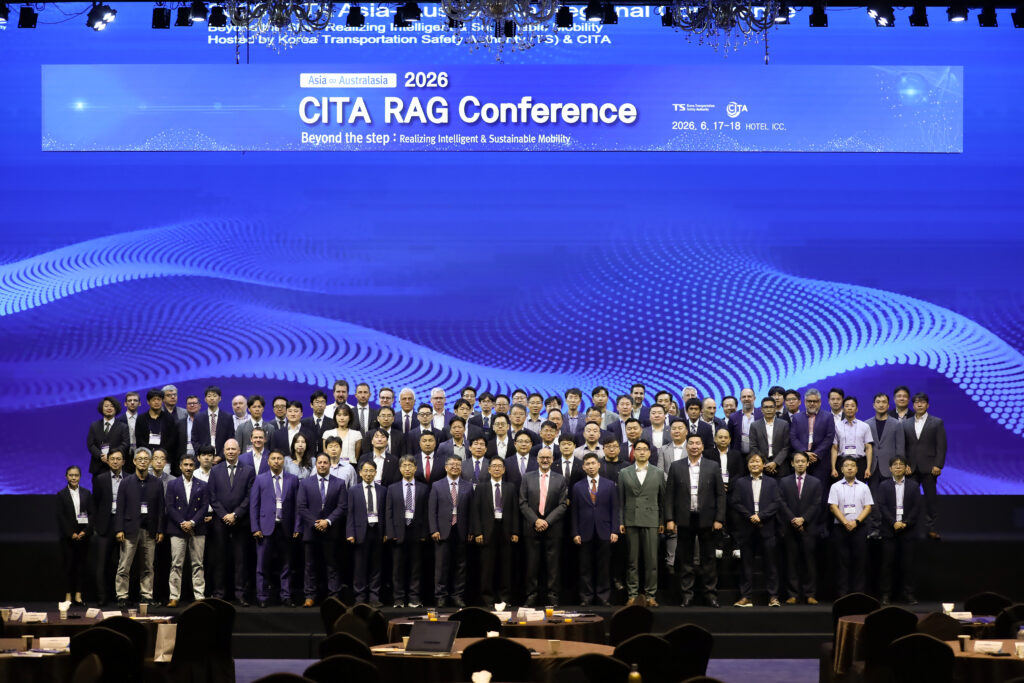
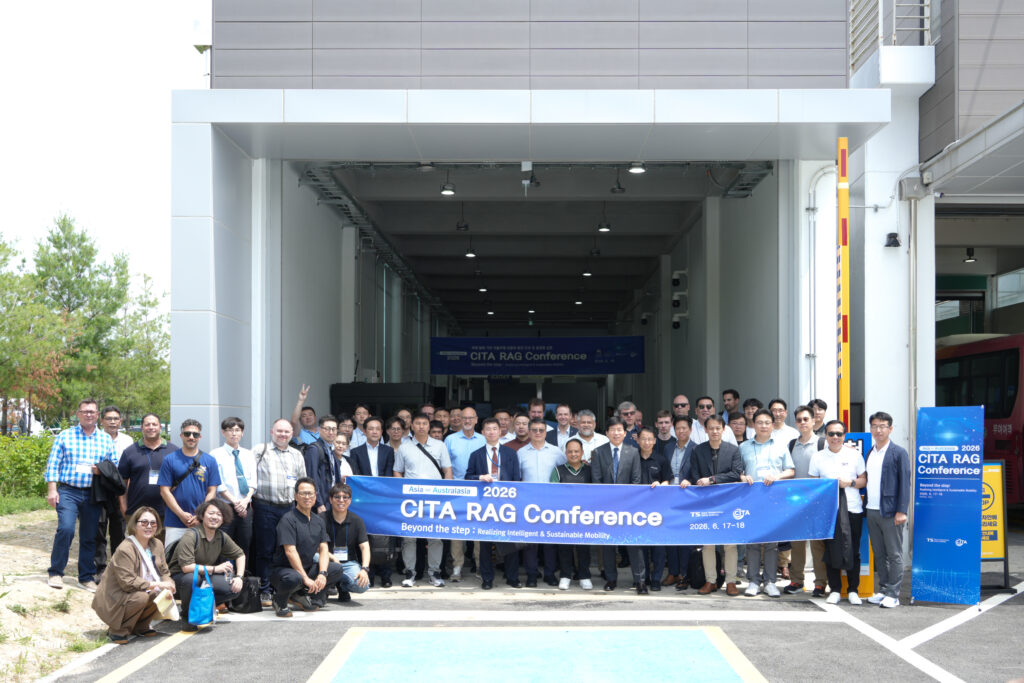
Daejeon, Republic of Korea. Representatives from vehicle inspection authorities, government agencies, industry, technical organisations and mobility experts gathered in Daejeon, South Korea, for the CITA RAG Asia-Australasia Conference 2026, held under the theme “Beyond the Step: Realizing Intelligent & Sustainable Mobility.”
Hosted by the Korea Transportation Safety Authority (KOTSA), the conference provided a valuable platform for discussing the evolving role of vehicle inspection in an era of connected, automated and electrified mobility.
The event opened with a welcome dinner on 16 June, offering participants an opportunity to establish connections and exchange views ahead of the formal program. The main conference took place on 17 June at the ICC Hotel in Daejeon, combining in-person participation with online attendance from across the Asia-Pacific region and beyond.
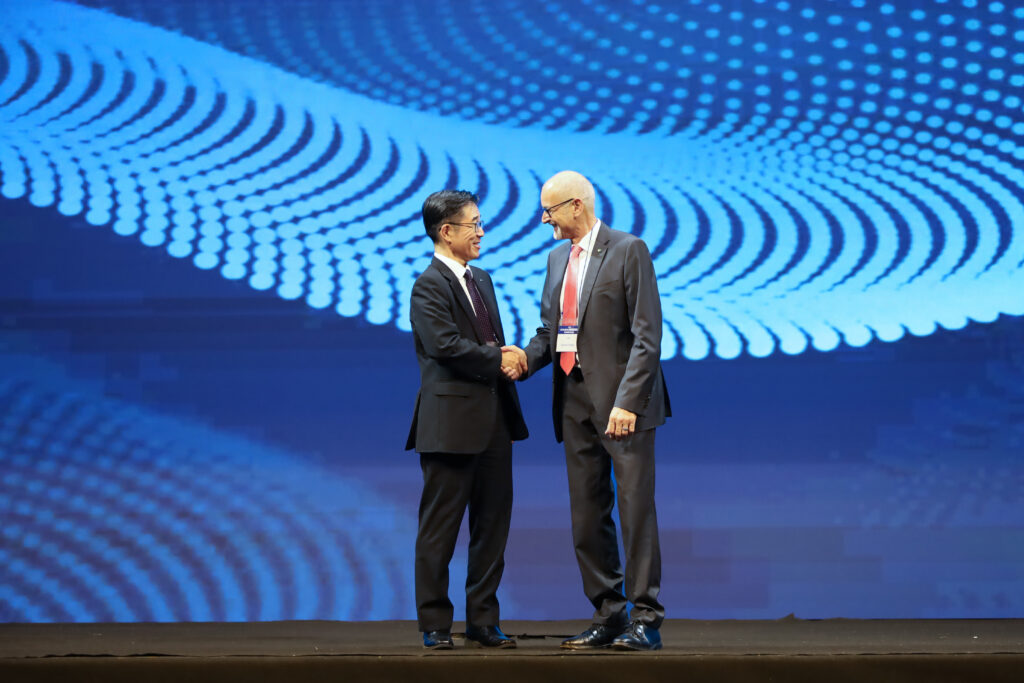
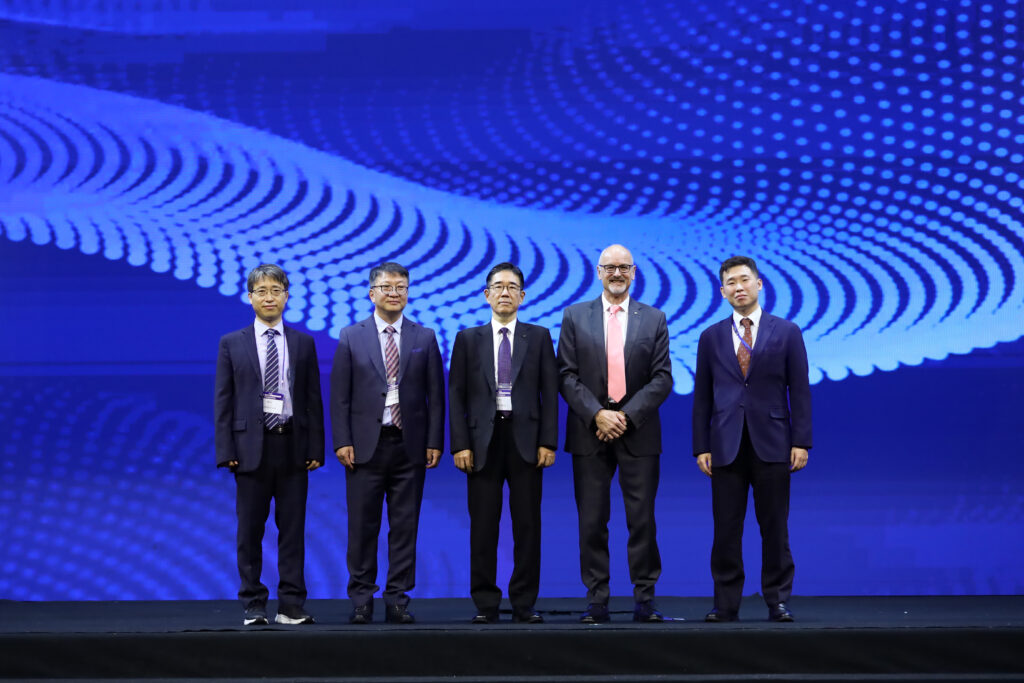
The conference was officially opened by Mr Yongsik Jeong, President of KOTSA, who highlighted the importance of international cooperation in ensuring road safety and supporting the transition towards sustainable transport systems. Congratulatory remarks were delivered by Mr Gerhard Müller, President of CITA, alongside representatives of the Korean Ministry of Land, Infrastructure and Transport and the Ministry of Road and Transport of Mongolia.
In his address, Mr Müller emphasised the growing importance of vehicle inspection as vehicles become increasingly automated, software-driven and connected. He stressed that effective inspection systems will remain essential to maintaining roadworthiness, public trust and environmental performance throughout the vehicle lifecycle.
The first technical session, “Safe and Sustainable Mobility,” focused on current developments in vehicle inspection and roadworthiness management.
Hosang Lee (KOTSA and CITA Asia-Australasia Regional Chair) presented the current status of vehicle inspection in Korea and outlined future approaches to roadworthiness management. He was followed by Takaaki Baba (MLIT, Japan), who discussed the role of electronic periodic technical inspections (e-PTI) in supporting advanced safety vehicles. The session concluded with a presentation by Sunghan Song (TÜV SÜD) on autonomous driving technologies and cybersecurity challenges in the automotive sector.
The afternoon sessions explored how inspection frameworks must evolve to accommodate new vehicle technologies.
Jinho Yang (KOTSA) introduced innovative inspection methodologies designed for the autonomous vehicle era, while Hyunjun Kim (KOTSA) presented research on evaluating electric vehicle battery performance and safety using chassis dynamometer testing.
A particularly relevant presentation for the international inspection community was delivered by Eduard Fernandez and Olivier Pletinckx (CITA), who shared the latest developments in ADAS inspection assessment.
The final session focused on strengthening vehicle inspection systems and their broader contribution to road safety and environmental protection. Bee Heng Tan (DKT) discussed the role of centralised data management systems in periodic technical inspection and emissions control, while Sungsoo Lim (KOTSA) presented Korea’s vehicle inspector training system and operational practices.
The conference concluded with a speaker recognition ceremony led by Taeseok Oh (KOTSA), followed by a gala dinner and an engaging discussion on future mobility trends.
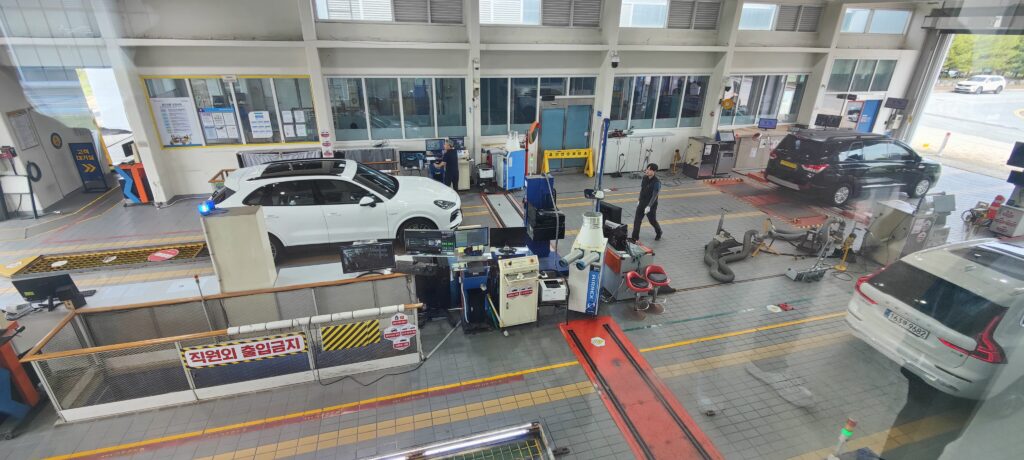
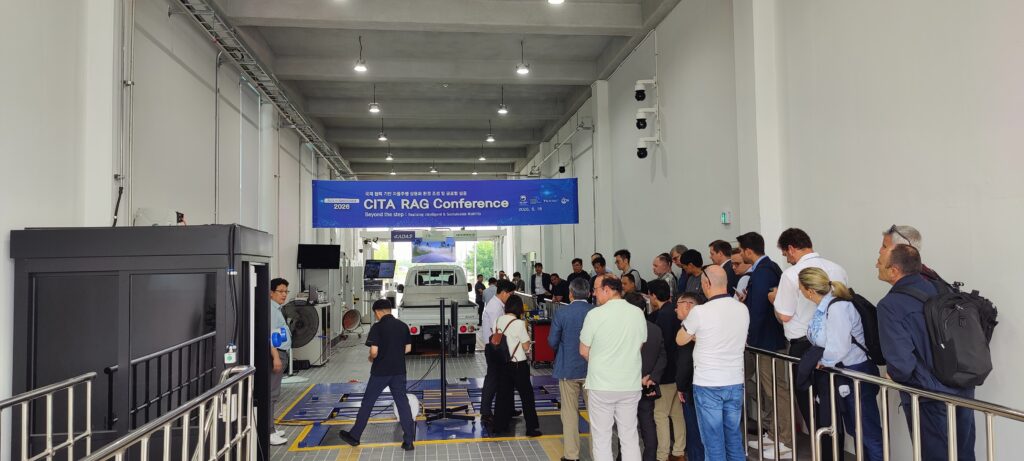
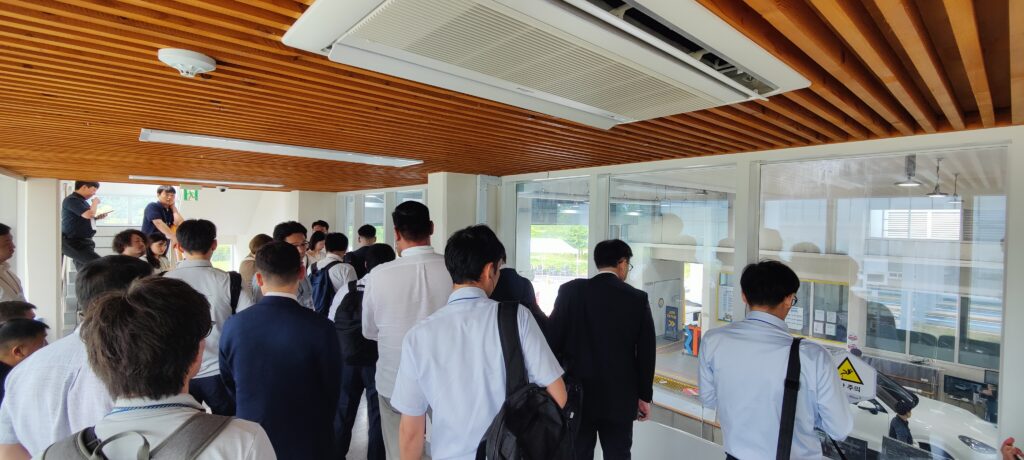
On 18 June, participants visited the Sejong Vehicle Inspection Center, where they observed practical demonstrations of advanced inspection technologies.
The technical programme included demonstrations of the KADAS ADAS inspection system and dedicated electric vehicle inspection procedures, allowing delegates to see first-hand how inspection organisations are adapting to emerging vehicle technologies.
The visit generated lively discussions among participants regarding the implementation of new inspection methods, data-driven roadworthiness assessment and future international cooperation in the field of intelligent mobility.
Through the exchange of practical experiences, policy perspectives and technical expertise, the conference reinforced CITA’s mission to support safe, sustainable and intelligent mobility worldwide while ensuring that vehicle inspection remains a cornerstone of road safety in the decades ahead.
CITA would like to thank KOTSA, all speakers, delegates and partners whose contributions made the event a great success.
CITA actively participated in the joint EReg & EUCARIS Annual Meeting & Conference 2026, held from 1 to 4 June 2026 in Paris, France. The event marked the EReg and EUCARIS communities came together for the annual meeting and conference, creating a unique platform for collaboration, knowledge exchange, and strategic discussions on the future of vehicle registration, mobility, and digital services across Europe.
The event brought together experts, policymakers, registration authorities, and industry stakeholders from across Europe. The program featured annual meetings, technical discussions, networking opportunities, cultural activities, and a gala dinner, providing participants with numerous opportunities to strengthen cooperation and share best practices.
CITA was represented by its Executive Director, Mr. Eduard Fernández, who contributed to the conference programme on 4 June during Block 2, dedicated to “Vehicles and Data”. His presentation, entitled “Road Safety Ecosystem”, highlighted the growing importance of data-driven approaches to road safety and the essential role of collaboration among all stakeholders involved in the vehicle lifecycle.
The conference provided an excellent opportunity for CITA to engage with key partners and contribute to ongoing discussions on digitalization, vehicle data governance, interoperability, and the future development of mobility services in Europe. These topics are increasingly relevant as vehicles become more connected, automated, and software-driven.
The successful event demonstrated the value of closer cooperation between organizations involved in vehicle registration, information exchange, and road safety. CITA welcomes initiatives that strengthen dialogue across the mobility ecosystem and remains committed to supporting policies and technologies that contribute to safer and more sustainable road transport.
IRIS IDENT s.r.o. is the authorized Technical Service of Originality Check in the Slovak Republic, providing software, hardware, methodology, information systems, training, etc.
Since its establishment in 2002, IRIS IDENT, s.r.o. has been supporting technical, informational, and legislative steps to reduce automotive crime and increase its clarification in the Slovak Republic and EU countries. Within its activities, it focuses mainly on the identification and originality control of vehicles and their documents.
Check of vehicle originality is a verification and conformity of a vehicle carried out by measurement and non-destructive forensic examination aimed at detecting signs of unauthorized external interference with the vehicle identifiers, the vehicle structure or the vehicle documents. The check of vehicle originality investigates vehicle identifiers (VIN and other vehicle designations), components determining the identity of the vehicle along with vehicle documents, their originality and authenticity, as well as the evaluation of data in the relevant information systems and international databases.
Road Safety Prevention and Local Government Sector,
Drivers Sector,
Vehicles Sector.
Within the Vehicles Sector, all types of vehicle inspections and control procedures are performed, including vehicle homologation testing, inspection of imported used vehicles, vehicle modifications, and periodic technical inspections.
The sector also maintains and supports the national technical vehicle database and provides technical support to inspection stations and other authorised stakeholders in the system.
The Vehicles Sector is responsible for the education and training of various professional groups involved in vehicle inspection procedures. In addition, there is a dedicated department within the sector that deals specifically with tachographs. Overall, the focus of the Vehicles Sector is on strengthening road safety through technical control of vehicles, regulatory development, and continuous professional education.
Brussels, 3 June 2026. CITA is pleased to announce the publication of the May 2026 edition of the CITA NewsRelease, highlighting the organisation’s activities, achievements, and international engagement during the first months of the year.
This edition reflects CITA’s continued commitment to promoting safer, cleaner, and more sustainable mobility worldwide through technical expertise, regulatory cooperation, and stakeholder dialogue.
Among the highlights featured in this issue: • A recap of the 25th CITA General Assembly, including key decisions, elections, and strategic priorities. • Coverage of the CITA RAG Europe Conference 2026 and the presentation of the CITA Annual Report 2025. • Insights from CITA’s high-level discussions on the revision of the European Roadworthiness Package, including events held at the European Parliament and under the Cyprus Presidency of the Council of the European Union. • Updates on CITA’s participation in international forums such as the UNECE Inland Transport Committee, the VERT Forum, the ANSV International Vehicle Safety Congress, and DUSRA 2026. • Highlights from recent webinars addressing Artificial Intelligence in vehicle regulation and Ukraine’s roadworthiness testing reform. • Developments related to vehicle inspection systems in Peru, the revision of ISO 17020, and ongoing UNECE activities on vehicle retrofit systems. • News from CITA members, including advances in remote sensing technologies and innovative inspection systems for ADAS-equipped vehicles. • The introduction of several new organizations joining the CITA community.
The publication demonstrates the growing importance of vehicle inspection and compliance systems in supporting road safety, environmental protection, and public trust amid rapid technological transformation in the mobility sector.
We invite all members, partners, and stakeholders to read the full NewsRelease and stay informed about the latest developments shaping the future of vehicle inspection worldwide.
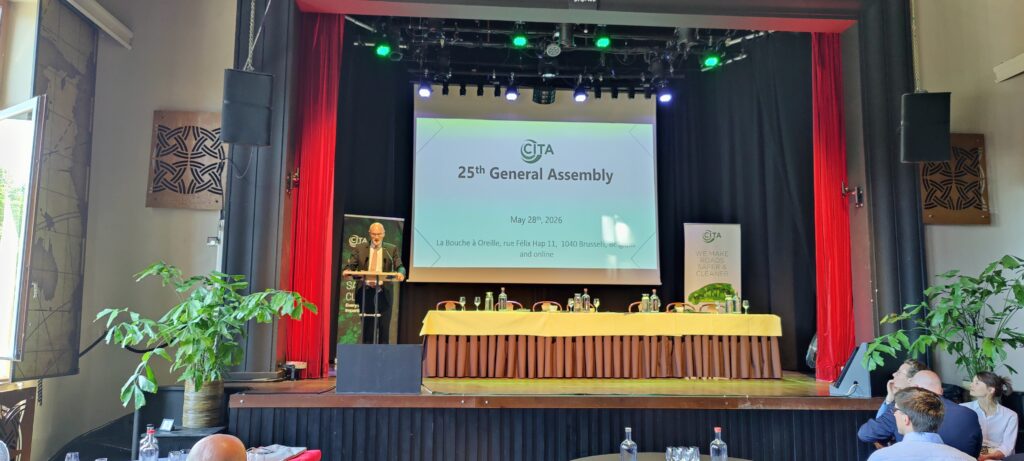
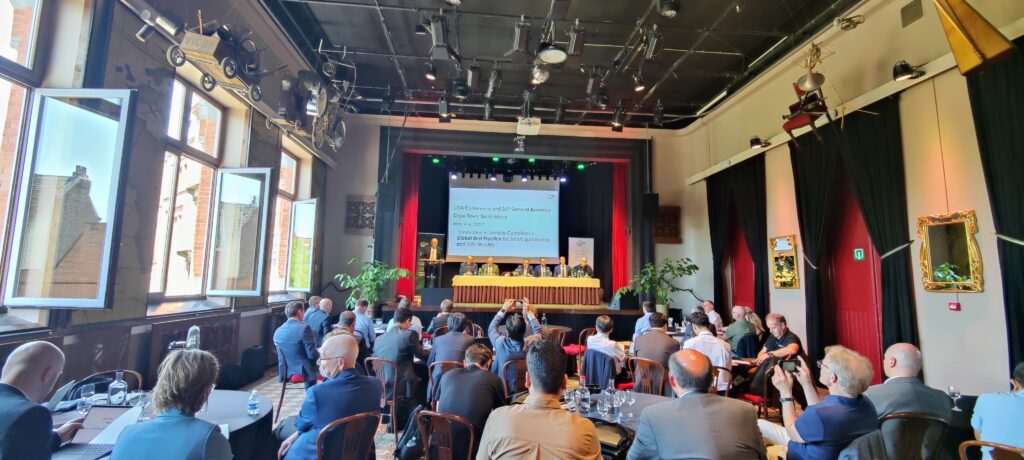
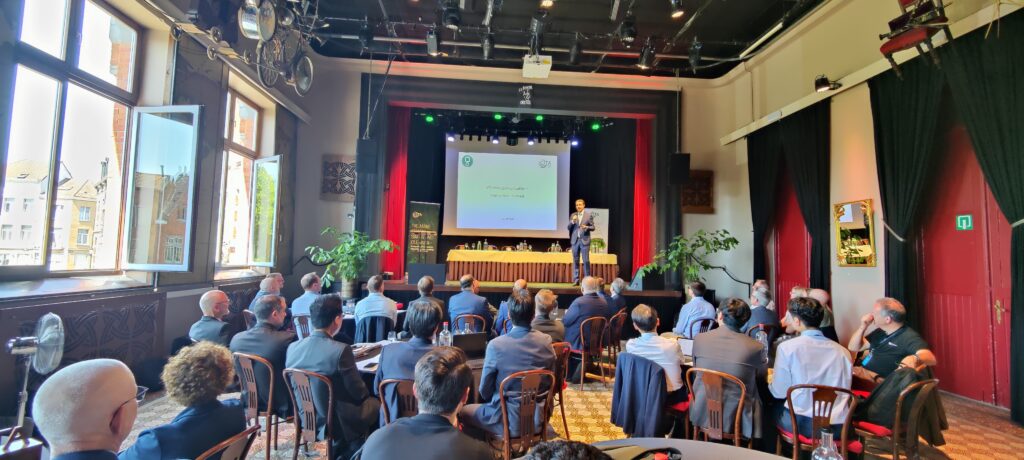
The 25th General Assembly of the CITA was successfully held on 28 May 2026 in Brussels, Belgium, in a hybrid format that enabled members from around the world to participate both in person and remotely. Hosted at Le Bouche à Oreille in Brussels, the Assembly gathered CITA members to discuss the organization's strategic priorities, technical developments and future direction in the field of vehicle compliance and inspection.
The event opened with welcoming remarks from CITA President Gerhard Müller, who highlighted the importance of the 25th General Assembly as a key milestone for the association and underlined the need for continued international cooperation in promoting safe, clean and sustainable mobility. The Assembly also reaffirmed CITA’s commitment to supporting its members through technical expertise, advocacy and global collaboration in an increasingly complex political, technological and societal environment.
The General Assembly was preceded by an informal dinner gathering on 27 May 2026, providing participants attending Brussels with an opportunity to network and exchange experiences ahead of the official program.
During the Assembly, members received reports from the CITA Secretariat, Regional Advisory Groups (RAGs), Topic Areas (TAs) and Task Forces covering a wide range of activities carried out over the past year. Presentations were delivered by representatives including Eduard Fernández, Ferose Oaten, Aitor Retes, Ho Sang Lee, Marcelo Martínez, Charles Ray and Jann Fehlauer, among others.
The Secretariat’s report presented the extensive technical and policy activities undertaken by CITA during the reporting period, including work related to ADAS and automated driving, electric vehicles, emissions, vehicle data access, artificial intelligence, quality assurance, accreditation and the revision of the European Roadworthiness Package. Members were also informed about CITA’s participation in UNECE working groups and European Union regulatory discussions.
Regional reports highlighted the continued growth of CITA’s activities across Africa, Asia-Australasia, Europe, Latin America and North America. Particular attention was given to the increasing engagement of CITA in Africa and Asia, as well as the organisation of regional conferences and technical cooperation initiatives.
The Assembly also reviewed the work carried out within the different Topic Areas, including research and development in vehicle compliance, optimisation of current inspection practices, external affairs, environmental protection systems, and quality, training and confidence.
Several voting procedures took place during the General Assembly. Members approved the provisional agenda, the report of the 24th General Assembly, the 2025 accounts and the 2026–2027 budget. The Assembly also approved modifications to the Articles of Incorporation introducing new procedures for handling ties during elections.
The General Assembly ratified the admission of several new members, reflecting the continued expansion and international reach of CITA. The newly approved members included CENTRALAUTO – TEKNIKA BEREZIAK, DSPACE, FLANDERS MOBILITY AND PUBLIC WORK, IRIS DENT, KEYSIGHT, MASSAR, NANHUA, OPUS INSPECTION Inc., ROAD TRAFFIC SAFETY AGENCY OF THE REPUBLIC OF SERBIA, TURKA and VSCC.
During the elections, Teemu Toivanen was elected as Public Member of the Bureau Permanent, while Lotte Dijkink was elected as Regular Member. Marcin Barankiewicz was elected as Corporate Members’ Representative.
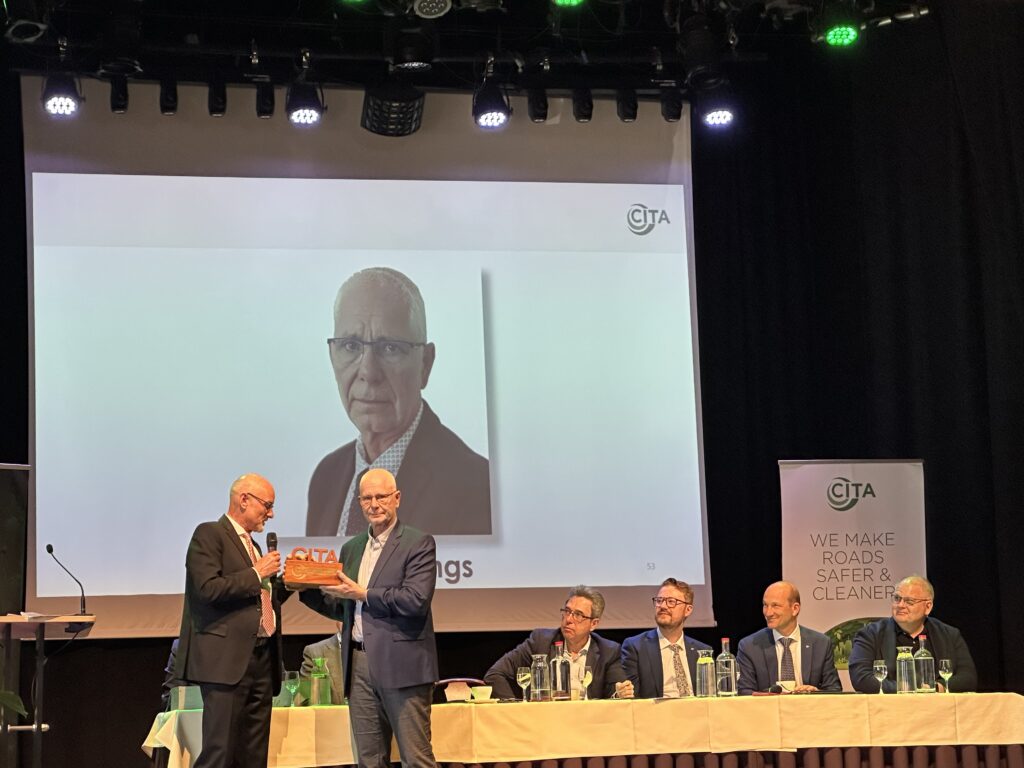
CITA warmly thanked Mr. Geert Konings, who is retiring, for his longstanding commitment and contributions to the association. Over the years, Mr. Konings has dedicated significant time and energy to supporting the mission and work of CITA, and his efforts have been instrumental in advancing the association’s goals.
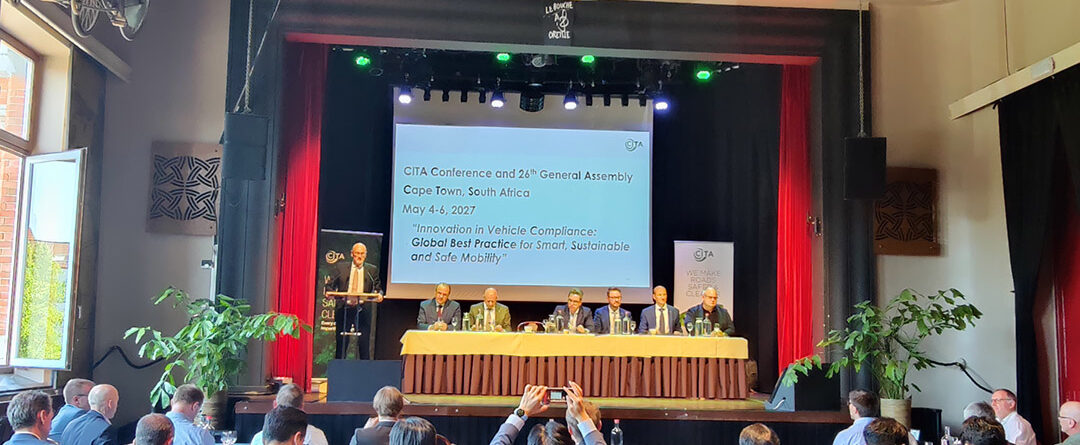
The Assembly concluded with closing remarks from President Gerhard Müller and an inspirational speech delivered by Sam Gratton. Participants were also invited to the upcoming CITA Conference and 26th General Assembly, which will take place in Cape Town from 4 to 6 May 2027.
The Colombian National Road Safety Agency (ANSV) organised the first International Vehicle Safety Congress in Cartagena de Indias, Colombia, from 28 to 30 April 2026. The event brought together national and international experts, authorities, academia and industry representatives to discuss the future of vehicle safety in Colombia and the measures needed to reduce road traffic fatalities.
The Congress focused on three main topics: vehicle safety technologies, Technical Inspection schemes, and vehicle maintenance and spare parts management. The programme included presentations, panel discussions and practical demonstrations showcasing technologies designed to prevent crashes and mitigate their consequences.
The event took place against the backdrop of Colombia’s continuing road safety challenges, with 8,697 road fatalities recorded in 2025. Throughout the event, the ANSV emphasised the importance of aligning Colombia’s vehicle safety framework with international standards and strengthening a Safe System approach to mobility.
A major part of the programme focused on maintaining the safe condition of vehicles already in operation through effective Technical Inspection systems.
In this context, Marcelo E. MARTÍNEZ, CITA RAG LatAm Chairperson participated as a keynote speaker. During his presentation, he addressed “The role of Technical Inspection in vehicle safety” and “Where Technical Inspection is heading”, underlining the importance of PTI as an essential instrument for risk reduction and safer roads.
Martinez highlighted the growing international trend toward more advanced inspection schemes capable of addressing modern vehicle technologies and ensuring that vehicles remain safe throughout their lifecycle. His intervention formed part of a broader discussion on the role of PTI in preventing crashes and reducing the severity of road incidents.
The Congress strengthened technical dialogue and international cooperation on vehicle safety, reinforcing the shared objective of creating safer roads and protecting lives in Colombia.
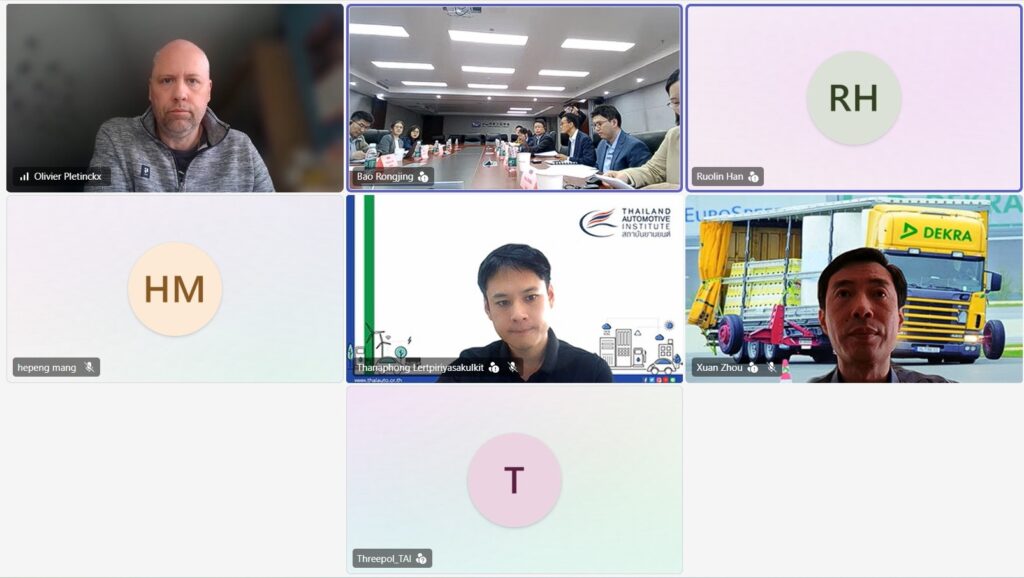
On 28 April 2026, CITA participated in the Automotive Technology Societies Standards International Exchange Meeting, hosted by the China Society of Automotive Engineers (CSAE) in Beijing. The event brought together key international organisations, including SAE International, IEEE, DEKRA, TAI, CQC and CAERI, with the aim of strengthening cooperation on automotive standards and regulations.
This first edition marked an important step towards establishing a regular global platform for dialogue. Discussions highlighted a strong convergence of priorities across stakeholders, particularly in areas such as electrification, connected and automated vehicles, AI, cybersecurity, and sustainability.
A key challenge identified was the fragmentation of global standards and certification systems, which increases complexity and costs. Participants emphasised the need for greater harmonisation, mutual recognition of certifications, and more efficient and flexible standard-setting approaches.
CITA was represented by Olivier Pletinckx, Technical Manager, who joined remotely and presented the association’s role and priorities. His presentation focused also on the impact of vehicle digitalisation and the critical importance of access to in-vehicle data for inspection and compliance activities.
As vehicles become increasingly software-driven, CITA stressed that traditional inspection methods are no longer sufficient. Access to vehicle data is essential to ensure effective PTI and maintain safety and environmental performance over time.
CITA reiterated key principles for data access:
Access to safety- and emission-relevant data must be unrestricted
Conditions should be standardised, interoperable and non-discriminatory
Unnecessary authentication barriers should be avoided
Data must remain accessible throughout the vehicle lifecycle
The core message was clear: access to vehicle data is a public-interest necessity for safer and cleaner roads .
The meeting confirmed strong global alignment on future mobility challenges and underlined the importance of continued international cooperation. CITA welcomes this initiative and looks forward to contributing to future exchanges.
To provide the best experiences, we use technologies like cookies to store and/or access device information. Consenting to these technologies will allow us to process data such as browsing behaviour or unique IDs on this site. Not consenting or withdrawing consent, may adversely affect certain features and functions.
Functional
Always active
The technical storage or access is strictly necessary for the legitimate purpose of enabling the use of a specific service explicitly requested by the subscriber or user, or for the sole purpose of carrying out the transmission of a communication over an electronic communications network.
Preferences
The technical storage or access is necessary for the legitimate purpose of storing preferences that are not requested by the subscriber or user.
Statistics
The technical storage or access that is used exclusively for statistical purposes.The technical storage or access that is used exclusively for anonymous statistical purposes. Without a subpoena, voluntary compliance on the part of your Internet Service Provider, or additional records from a third party, information stored or retrieved for this purpose alone cannot usually be used to identify you.
Marketing
The technical storage or access is required to create user profiles to send advertising, or to track the user on a website or across several websites for similar marketing purposes.
To provide the best experiences, we use technologies like cookies to store and/or access device information. Consenting to these technologies will allow us to process data such as browsing behaviour or unique IDs on this site. Not consenting or withdrawing consent, may adversely affect certain features and functions.
Functional
Always active
The technical storage or access is strictly necessary for the legitimate purpose of enabling the use of a specific service explicitly requested by the subscriber or user, or for the sole purpose of carrying out the transmission of a communication over an electronic communications network.
Preferences
The technical storage or access is necessary for the legitimate purpose of storing preferences that are not requested by the subscriber or user.
Statistics
The technical storage or access that is used exclusively for statistical purposes.The technical storage or access that is used exclusively for anonymous statistical purposes. Without a subpoena, voluntary compliance on the part of your Internet Service Provider, or additional records from a third party, information stored or retrieved for this purpose alone cannot usually be used to identify you.
Marketing
The technical storage or access is required to create user profiles to send advertising, or to track the user on a website or across several websites for similar marketing purposes.